.png)
Sudden Lumps on Dogs: When to See a Cancer Specialist
.png)

Sudden Lumps on Dogs: When to See a Cancer Specialist
Discovering a sudden lump under your dog’s skin can be unsettling, especially when you are unsure whether it is a harmless bump or an early sign of something more serious. At Veterinary Cancer Health, located at 4101 Turtle Creek Drive, Coral Springs, FL 33067, we understand the anxiety that comes with finding sudden lumps on dog under skin. Our dedicated veterinary oncology team is here to help you navigate this concern with advanced diagnostics, compassionate guidance, and tailored treatment options. In this blog, we will explore how to distinguish between benign and potentially dangerous lumps, discuss why early evaluation by a cancer specialist matters, and outline when it’s time to seek expert care for your pet. If you are in Coral Springs or the surrounding communities and are facing this worry, you are not alone; we are here to support you and your dog every step of the way.
Recognizing Sudden Lumps on Dog Under Skin
Lumps that appear suddenly on your dog’s skin can range from soft, movable bumps to firm, irregular masses. It is natural to wonder whether these lumps are a minor issue or a sign of cancer, especially if your pet seems otherwise healthy. Sudden lumps on dog under skin may be noticed during a routine petting session, a grooming appointment, or even after your dog returns from outdoor play. Key signs to pay attention to include rapid growth, changes in color or texture, ulceration or bleeding, pain when touched, or a lump that feels fixed in place rather than easily movable. While some lumps appear overnight and remain unchanged, others may develop quickly and cause your dog discomfort or behavioral changes.
If your dog is scratching, licking, or chewing at the lump, or if you observe swelling, redness, or discharge, these symptoms warrant prompt evaluation. While not every lump is cancerous, certain warning signs—such as a lump that grows rapidly, recurs after removal, or is accompanied by lethargy or loss of appetite—suggest the need for further investigation by a veterinary oncology specialist. Sudden lumps on dog under skin are always worth a closer look, especially in breeds known for a higher risk of cancer or in senior pets.
What Causes Sudden Lumps in Dogs?
Sudden lumps in dogs can arise from a variety of causes, and not all are cancerous. Common causes include benign growths such as lipomas, which are fatty tumors typically found under the skin. These are often soft and movable, and while they may increase in size over time, they do not spread to other parts of the body. Other non-cancerous causes involve cysts, abscesses from infections, allergic reactions, or localized injuries that lead to swelling or hematomas.
However, certain types of cancer can also present as sudden lumps under the skin. Malignant tumors such as mast cell tumors, soft tissue sarcomas, or lymphoma may appear as firm, irregular, or rapidly enlarging masses. Environmental factors, underlying genetic predispositions, and even immune system irregularities can contribute to the development of both benign and malignant lumps. Some breeds, including Boxers, Golden Retrievers, and Labrador Retrievers, are more prone to developing skin tumors and should be monitored closely for any new lumps.
Age is another factor; older dogs are more likely to develop both benign and malignant masses. Regularly checking your dog’s skin, especially as they age, is an important part of early detection. While it is common to hope for the best, it is wise to have any new or rapidly changing lump assessed by a veterinary oncology team experienced in cancer diagnosis and staging.
Diagnosis and Treatment Options at a Veterinary Oncology Clinic
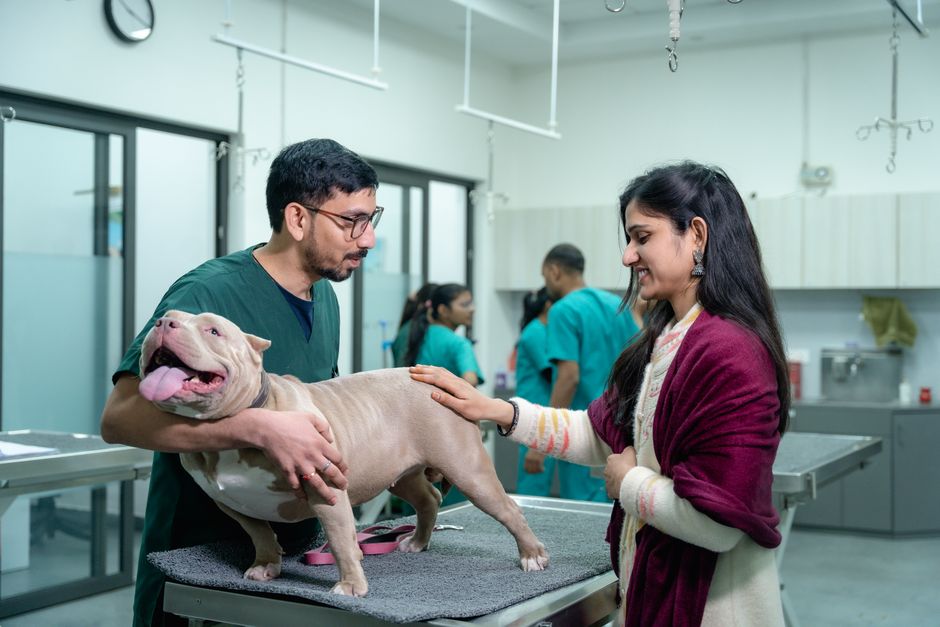
When you bring your dog to Veterinary Cancer Health for a sudden lump under the skin, our oncology-trained veterinarians will begin with a thorough physical examination and a detailed medical history. The diagnostic process typically starts with a fine needle aspirate, where a small sample of cells is taken from the lump and examined under a microscope. This minimally invasive procedure helps differentiate between benign and malignant growths.
If further evaluation is required, our team may recommend advanced diagnostics such as biopsy and cytology, CT scans, or DNA sequencing and molecular analysis to determine the exact nature and extent of the mass. These tools allow us to stage the cancer if present and to understand the specific characteristics of the tumor, which is critical for personalized treatment planning.
Treatment approaches for cancerous lumps can involve chemotherapy and medical treatments, targeted therapies, immunotherapy, or a combination of these innovative options. Our oncology team will discuss the most effective and least invasive options for your pet, focusing on maintaining the best possible quality of life. In cases where the lump is found to be benign, monitoring or surgical removal may be recommended if it causes discomfort or interferes with your dog’s mobility.
Throughout the diagnostic and treatment process, our veterinary professionals will keep the lines of communication open, providing updates and guidance every step of the way. We collaborate closely with your primary care veterinarian to ensure comprehensive care and the best long-term outcome for your pet.
Home Monitoring and Prevention: What Pet Owners Can Do
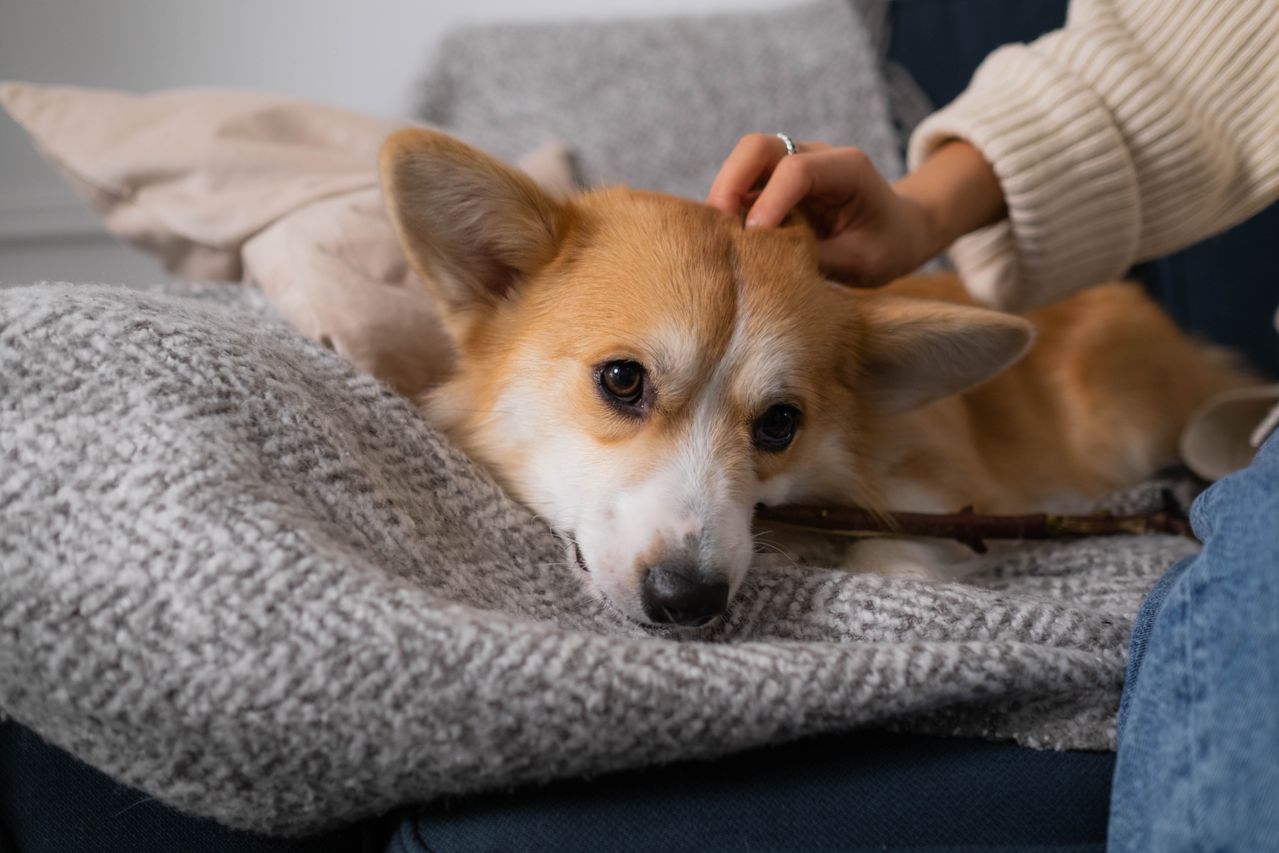
While not every lump is preventable, you can play a vital role in early detection and ongoing monitoring. Regularly check your dog’s skin and body for new lumps, bumps, or changes in existing growths, especially after walks, grooming, or playtime. Gently run your hands over your dog’s entire body, paying attention to areas that are often covered by fur or less visible. Note any new masses and track their size, shape, and consistency over time; keeping a simple journal or taking photos with your phone can help you and your veterinary team monitor any changes.
Maintaining a balanced diet, providing regular exercise, and minimizing exposure to environmental toxins are additional steps you can take to support your dog’s overall health. While these actions do not guarantee prevention of cancer or other growths, they contribute to a stronger immune system and improved quality of life. Consult your primary care veterinarian about breed-specific cancer risks and discuss routine health screenings, especially as your dog enters their senior years.
If your dog has a history of lumps, prior cancer diagnosis, or is a breed at higher risk, more frequent check-ups and advanced screenings may be recommended. At Veterinary Cancer Health, we offer ongoing cancer care and monitoring, helping you stay proactive about your pet’s health.
When to Seek a Veterinary Oncology Specialist
It is not always easy to determine which lumps require urgent attention, but certain warning signs should prompt you to seek specialized care. If your dog develops a lump that grows rapidly, bleeds, becomes ulcerated, or causes pain, it is important to schedule an appointment with a veterinary oncology specialist as soon as possible. Other red flags include lumps that recur after removal, are associated with systemic symptoms like lethargy or weight loss, or are found in high-risk breeds or senior dogs.
Early intervention is often the key to the best possible outcome. Veterinary oncologists are uniquely equipped to diagnose and treat cancerous lumps with precision and compassion. Our team at Veterinary Cancer Health offers second opinions, case reviews, and access to the most advanced diagnostic and treatment options available to pets in Coral Springs and the surrounding communities.
If you are uncertain whether your dog’s lump needs attention, do not hesitate to reach out for guidance. Timely evaluation can provide peace of mind and, if necessary, a head start on effective treatment. Remember that while not every lump is cancerous, only a veterinary oncology specialist can provide the answers and reassurance you need.
Compassionate Support for You and Your Pet
Finding a sudden lump on your dog under the skin can be a source of stress and worry, but you do not have to face this concern alone. At Veterinary Cancer Health, we are dedicated to helping pet owners in Coral Springs and the surrounding areas understand, diagnose, and treat cancer in a way that prioritizes both medical excellence and the comfort of your companion.
If you notice any new or changing lumps on your dog, or if you are searching for a "cancer vet near me," our veterinary oncology team is here to help. We encourage you to schedule an appointment with us for expert evaluation and compassionate care. For more information about our diagnosis, treatment, and ongoing monitoring services, visit our website or contact us directly at (954) 369-9688. Our goal is to provide clarity, options, and hope—no matter where you are in your pet’s cancer journey.
For additional peace of mind or a second opinion about sudden lumps on dog under skin, explore our second opinions and case reviews service. Your dog’s wellbeing is our highest priority, and together, we can ensure they receive the most advanced and compassionate cancer care available.
Disclaimer: This blog is intended for informational purposes only and does not replace professional veterinary care. Always consult a qualified veterinarian or veterinary oncology specialist for diagnosis and treatment tailored to your pet’s individual needs.