.png)
Veterinary Cancer Biopsy for Pets: What Coral Springs Owners Should Know
.png)

Veterinary Cancer Biopsy for Pets: What Coral Springs Owners Should Know
When a beloved dog or cat receives a cancer diagnosis, every moment feels deeply personal and urgent. As a pet owner in Coral Springs or the surrounding communities, you want clarity, compassion, and expert guidance from the very start. At Veterinary Cancer Health, located at 4101 Turtle Creek Drive, Coral Springs, FL 33067, our veterinary oncology team specializes in advanced cancer diagnostics and treatments designed specifically for pets. One of the most vital steps in this process is the veterinary cancer biopsy for pets, a procedure that provides the answers necessary to chart the best course forward for your dog or cat.
In this blog, we will explore when a biopsy may be needed, how the procedure works, what to expect during your pet’s journey, and the advanced technology and compassionate care that set our clinic apart. We will also discuss how a biopsy fits into a comprehensive diagnostic plan and the important role it plays in determining the right treatment for your pet. If you are seeking trusted expertise in veterinary cancer care, our team is here to support you every step of the way.
To learn more about the specific biopsy techniques and how cytology contributes to rapid diagnoses, visit our Biopsy & Cytology service page.
Recognizing When a Veterinary Cancer Biopsy for Pets Is Needed
Concern for your pet’s health often begins with subtle changes. As a pet owner, you might notice a new lump beneath your dog’s skin during a belly rub, or perhaps your cat suddenly loses weight without explanation. Warning signs that could prompt a veterinary cancer biopsy for pets include the appearance of persistent lumps or masses, wounds that do not heal, unexplained swelling, difficulty swallowing or breathing, chronic coughing, or changes in appetite and energy. In some cases, a primary care veterinarian may refer you to our oncology team after discovering abnormal test results or finding something suspicious during a routine exam.
The decision to perform a biopsy is never made lightly. Our veterinary professionals carefully evaluate your pet’s history, symptoms, and any imaging results before recommending this next step. The goal is always to gather the most accurate information while minimizing stress and discomfort for your pet. By identifying the specific type of cancer and its characteristics, a biopsy provides the critical information needed to create the most effective treatment plan possible.
Understanding Why a Biopsy Is Important in Pet Cancer Diagnosis
A biopsy is more than just a test; it is the gold standard for confirming or ruling out cancer in pets. Unlike imaging tests such as ultrasound or CT scans, which can reveal the presence and extent of a mass, a biopsy involves collecting a small sample of tissue or cells from the suspicious area. This sample is then carefully examined by veterinary pathologists to determine if cancer is present, what type it is, and how aggressive it may be.
There are several reasons why a veterinary cancer biopsy for pets is so essential. First, many non-cancerous conditions can mimic the appearance of a tumor, so tissue analysis is the only way to make a definitive diagnosis. Second, knowing the exact type of cancer allows our veterinary oncology team to recommend the most appropriate therapies, whether that involves chemotherapy, targeted therapy, immunotherapy, or palliative care. Third, the biopsy can reveal important details about how far the disease has progressed, which is crucial for staging and prognosis.
At Veterinary Cancer Health, we utilize advanced diagnostic techniques such as DNA sequencing and molecular analysis to gain even more insights from biopsy samples. These cutting-edge methods help us personalize your pet’s cancer care and stay at the forefront of veterinary oncology.
What to Expect During a Veterinary Cancer Biopsy for Pets in Coral Springs
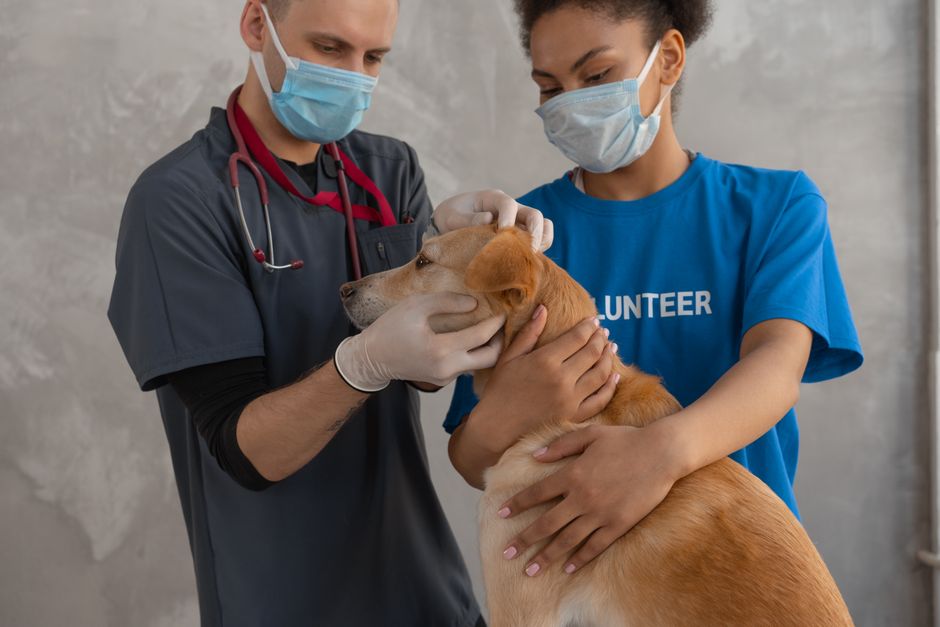
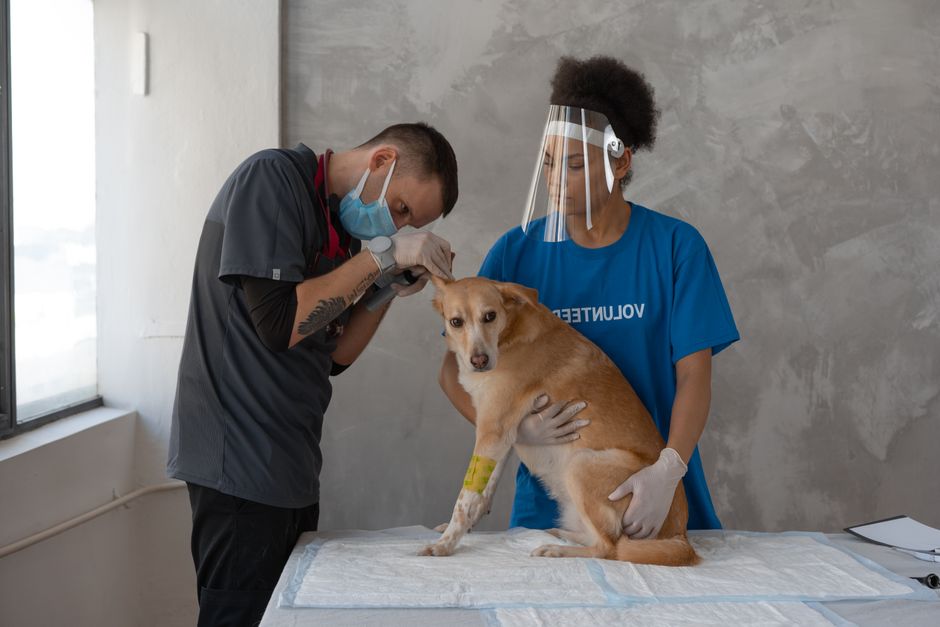
When you bring your pet to our Coral Springs clinic for a cancer biopsy, our compassionate veterinary professionals will guide you through each step of the process. The first phase involves a thorough consultation, including a review of your pet’s medical history and any prior test results. Depending on the location and characteristics of the mass, we may recommend imaging such as ultrasound or CT scan to precisely locate the area to be sampled.
The biopsy itself may take several forms. Fine needle aspiration uses a slender needle to withdraw cells from the mass, while a core or surgical biopsy removes a small piece of tissue. In most cases, pets are given sedation or anesthesia to keep them comfortable and still during the procedure. Our oncology team is highly skilled in performing these techniques safely and efficiently, always prioritizing your pet’s well-being and comfort.
After the biopsy sample is collected, it is sent to a specialized veterinary pathology laboratory for analysis. Results are typically available within a few days. Once we have the diagnosis, our team will meet with you to discuss the findings and work together to develop a customized treatment plan. This may include further staging tests to determine if the cancer has spread, as well as ongoing monitoring and adjustments to therapy as needed. For an overview of how cancer is diagnosed and staged in pets, visit our Cancer Diagnosis & Staging page.
Advanced Treatment and Ongoing Cancer Care After a Biopsy
A veterinary cancer biopsy for pets is just the beginning of a comprehensive approach to cancer care at Veterinary Cancer Health. Once we have confirmed the diagnosis, our oncology team will explain the available treatment options, which may involve chemotherapy, targeted therapy, immunotherapy, or a combination of these advanced modalities. Our goal is to balance effective cancer control with your pet’s quality of life, offering compassionate support and clear communication throughout the process.
We also provide ongoing cancer care and monitoring to track your pet’s response to treatment and make adjustments as needed. This includes regular recheck exams, bloodwork, and imaging to ensure that we are staying one step ahead of the disease. Our veterinary professionals work closely with your primary care veterinarian to coordinate all aspects of your pet’s health, from pain management to palliative care when necessary.
Additionally, we recognize the emotional toll a cancer diagnosis can take. Our team is here to answer your questions, provide resources, and offer compassionate guidance—whether you are pursuing aggressive treatment or seeking support for end-of-life decisions.
Supporting Your Pet at Home: What You Can Do
While the expertise of a veterinary oncology team is essential for diagnosing and treating cancer, there are important ways you can support your pet at home. Start by monitoring for any changes in your pet’s behavior, appetite, or appearance, and report these promptly to your veterinarian. Providing a quiet, comfortable environment for recovery after a biopsy is important, as is following any specific instructions regarding wound care or activity restrictions.
Nutrition plays a vital role in your pet’s overall health, especially during cancer treatment. Our team can help you choose the most appropriate diet and supplements for your pet’s individual needs. Ensuring your pet stays hydrated, receives their medications as prescribed, and attends all scheduled follow-up appointments will also contribute to the best possible outcome.
Emotional support is just as important. Pets are sensitive to their owners’ moods, so maintaining a positive, loving presence can help them feel safe and secure during a challenging time. Rely on the expertise and empathy of our veterinary professionals if you ever feel uncertain or overwhelmed.
When to Seek Specialized Veterinary Oncology Care
If your primary care veterinarian suspects cancer or recommends a biopsy, it is important to seek specialized veterinary oncology care as soon as possible. Early and accurate diagnosis gives your pet the best chance for a successful outcome. You should also reach out to our team if you notice any new lumps, unexplained weight loss, persistent wounds, or other concerning changes that do not resolve within a week or two. In situations where you want a second opinion or need advanced diagnostics, our clinic welcomes referrals and direct consultations.
For pet owners searching for an "oncology vet near me," finding a board-certified oncology team with access to advanced diagnostics and a reputation for compassionate care can make all the difference. At Veterinary Cancer Health, we are dedicated to supporting pets and their families throughout Coral Springs and the surrounding communities with expert guidance and state-of-the-art technology.
Taking the Next Step: Trust Veterinary Cancer Health for Pet Cancer Biopsy in Coral Springs
Facing the possibility of cancer in your dog or cat can feel overwhelming, but you do not have to navigate this journey alone. A veterinary cancer biopsy for pets is a crucial step towards clarity, hope, and the best possible care for your companion. Our team of veterinary oncology professionals at Veterinary Cancer Health is committed to providing advanced diagnostics, personalized treatment plans, and ongoing support every step of the way.
If your pet has been referred for a biopsy, or if you have questions about cancer diagnosis and treatment, we encourage you to reach out for expert guidance. Learn more about our biopsy and cytology services or schedule a consultation by calling (195) 459-28504. We are conveniently located at 4101 Turtle Creek Drive, Coral Springs, FL 33067 and proudly serve Coral Springs as well as the surrounding communities.
When searching for an oncology vet near me, know that our veterinary oncology team is here to provide the expertise, compassion, and advanced care your pet deserves. Together, we can help your dog or cat face cancer with the very best in veterinary medicine and heartfelt support.
Medical Disclaimer: This blog is for informational purposes only and should not be used as a substitute for professional veterinary advice, diagnosis, or treatment. Always consult with your veterinarian or a veterinary oncology specialist regarding your pet's specific health concerns.