.png)
How Coral Springs Animal Hospital Supports Pets With Cancer

How Coral Springs Animal Hospital Supports Pets With Cancer
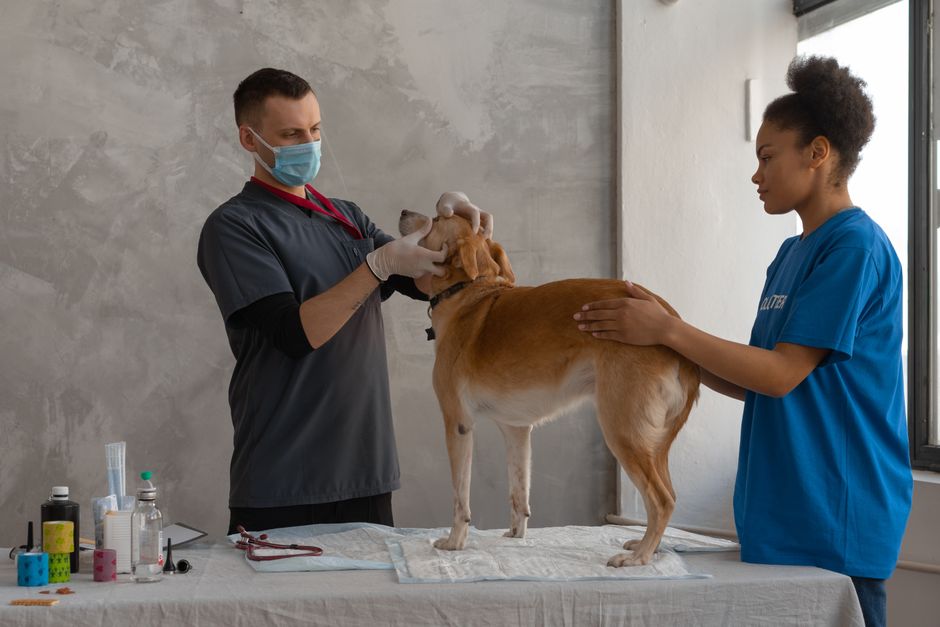
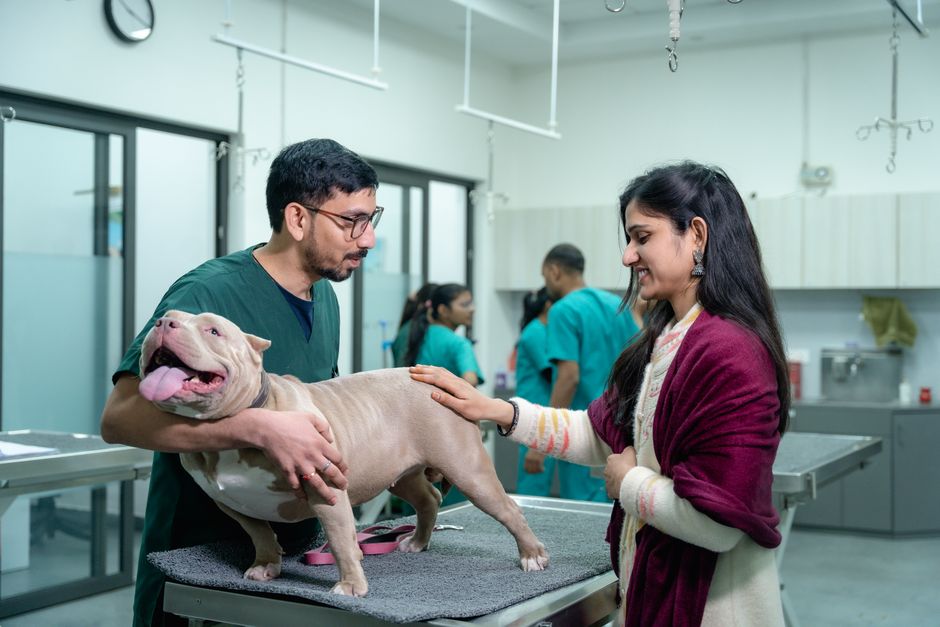
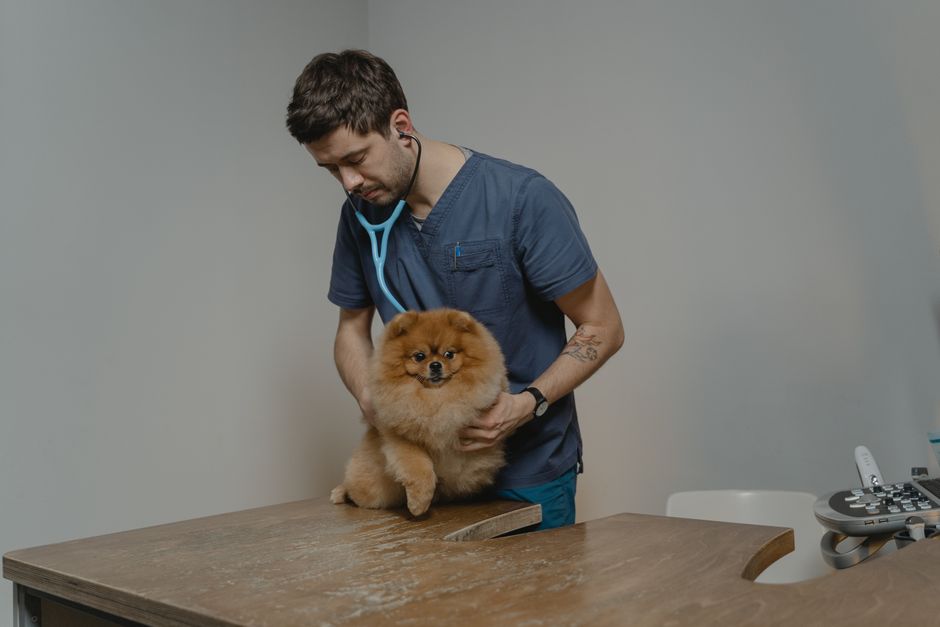
When a beloved dog or cat receives a cancer diagnosis, it can feel overwhelming. At Veterinary Cancer Health, a leading specialty clinic located at 4101 Turtle Creek Drive, Coral Springs, FL 33067, our team is dedicated to guiding you and your pet through every step of the cancer journey. As a specialized coral springs animal hospital, we offer advanced diagnostics, innovative treatments, and compassionate support for both pets and their families. In this blog, we’ll explore how our veterinary oncology team helps dogs and cats facing cancer, what signs to watch for, how modern therapies can offer hope, and what to expect from personalized care plans here in Coral Springs and the surrounding communities.
Recognizing the Signs: When Cancer May Affect Your Dog or Cat
Cancer is unfortunately common in both dogs and cats, especially as they age. Early recognition of warning signs is key to improving outcomes. Pet owners may notice symptoms such as unexplained lumps or bumps, persistent sores that do not heal, sudden weight loss, decreased appetite, or changes in energy levels. Additionally, difficulty breathing, limping, or abnormal bleeding can also signal serious underlying issues. Sometimes, cancer in pets is discovered during routine veterinary visits or when an owner brings their pet in for unrelated concerns. Because many cancers can progress silently, even subtle changes in your dog or cat’s habits should be discussed with a veterinary professional. If you notice any unusual symptoms in your pet, reaching out for an evaluation at a coral springs animal hospital specializing in cancer care is an important first step.
Understanding Cancer in Dogs and Cats: Causes and Background
Cancer in pets, much like in people, can arise from a complex interplay of genetic, environmental, and age-related factors. Certain breeds may be predisposed to specific types of cancer, while exposure to environmental toxins, secondhand smoke, or chronic inflammation can also contribute to risk. Dogs and cats are living longer than ever thanks to advances in veterinary care, and with increased age comes a higher likelihood of developing cancerous conditions. Common types of cancer seen in dogs include lymphoma, mast cell tumors, and osteosarcoma. In cats, lymphoma and squamous cell carcinoma are among the most frequently diagnosed. The field of veterinary oncology has advanced rapidly, and at Veterinary Cancer Health, our focus is on using the latest research and technology to provide accurate diagnoses and tailored treatment plans for every patient.
Advanced Diagnostics at Veterinary Cancer Health
A precise diagnosis is the cornerstone of effective cancer care. At our coral springs animal hospital, we utilize a comprehensive range of diagnostic tools to identify the type, stage, and extent of cancer in dogs and cats. This process may involve advanced imaging, such as CT scans, ultrasound, and digital radiographs (X-rays), as well as minimally invasive techniques like biopsy and cytology to sample abnormal tissue. For many cases, we also employ cutting-edge molecular diagnostics, including DNA sequencing and molecular analysis and flow cytometry, IHC, molecular testing, and PARR, to gain a deeper understanding of each tumor’s biology. These technologies allow our veterinary team to determine the most effective treatment approach while minimizing unnecessary procedures for your pet.
Personalized Cancer Treatment Plans for Pets
Once a diagnosis is confirmed, the next step is developing a customized treatment plan tailored to your pet’s unique needs. At Veterinary Cancer Health, we recognize that no two cancer cases are alike. Treatment options may include chemotherapy, targeted therapy, immunotherapy, or electrochemotherapy. Chemotherapy protocols are selected based on cancer type, stage, and your pet’s overall health, with the goal of maximizing effectiveness while minimizing side effects. Targeted therapies use medications designed to interfere with specific molecules involved in cancer growth, offering a more individualized and potentially less toxic approach. Immunotherapy harnesses the pet’s own immune system to fight cancer cells, while electrochemotherapy combines electrical pulses with chemotherapy drugs to enhance tumor cell destruction. Throughout treatment, our team communicates closely with referring veterinarians and pet owners to ensure continuity of care.
Ongoing Cancer Care and Monitoring
Treating cancer is not a one-time event; it requires ongoing evaluation and support. Our team is committed to providing comprehensive ongoing cancer care and monitoring for every patient. This involves regular recheck exams and bloodwork, monitoring response to treatment, and making timely treatment plan adjustments as needed. The goal is to maintain your pet’s quality of life and catch any changes quickly. Owners are encouraged to observe their pet at home for side effects or new symptoms, such as changes in appetite, vomiting, diarrhea, or lethargy, and to communicate these observations to the veterinary oncology team. Our commitment to compassionate cancer care extends to every phase of the process, ensuring that both pets and their families feel supported and informed throughout the journey.
Supportive and Palliative Care for Pets with Cancer
While many cancers can be treated or managed effectively, there are times when the focus shifts to comfort and quality of life. Our clinic provides palliative and end-of-life care options to help manage pain, control symptoms, and offer guidance during difficult decisions. Pain management, nutritional support, and emotional encouragement are all essential components of palliative care. Our veterinarians work closely with pet owners to assess comfort levels, discuss prognosis, and provide compassionate advice when it comes time to discuss humane euthanasia counseling. We understand how challenging this period can be, and our goal is to help families navigate it with dignity and support.
Preventive Steps and Home Care Tips
While not all cancers can be prevented, there are steps pet owners can take to support their dog or cat’s overall health. Providing a balanced diet, encouraging regular exercise, and maintaining a healthy weight are foundational. Avoiding exposure to cigarette smoke, harmful chemicals, and excessive sunlight (especially for light-skinned pets) can reduce certain cancer risks. Regular veterinary wellness exams are crucial for early detection, as many cancers are more treatable when caught early. Monitoring your pet for changes in lumps, bumps, or behavior and promptly reporting them to your veterinarian can make a significant difference. In addition, some hereditary cancers may be less common in pets that have been spayed or neutered, though this depends on the specific cancer type and breed. Our team is always available to discuss preventive strategies and answer your questions about cancer risk in your pet.
When to Seek Veterinary Oncology Care
Knowing when to consult a specialty coral springs animal hospital can be difficult, especially if your pet has already been seen by a primary care veterinarian. You should consider reaching out for a specialized oncology evaluation if your dog or cat has been diagnosed with cancer, if you are seeking a second opinion, or if your pet is not responding to standard treatments. Other scenarios include the discovery of a rapidly growing mass, unexplained symptoms that persist despite initial treatment, or if your primary veterinarian recommends advanced diagnostics. Our clinic regularly collaborates with general practice veterinarians to ensure your pet receives the most comprehensive and coordinated care possible. If you are searching for an oncology vet near me, our team is dedicated to providing expert cancer care with a personal touch.
Compassionate Oncology Support at Veterinary Cancer Health
Facing cancer with your dog or cat is never easy, but you do not have to do it alone. At Veterinary Cancer Health, our skilled oncology team at 4101 Turtle Creek Drive, Coral Springs, FL 33067 stands ready to provide advanced diagnostics, innovative treatments, and unwavering support for both pets and their families. Whether you are seeking second opinions and case reviews, require ongoing cancer care, or need guidance on palliative options, you can trust our veterinary professionals to deliver compassionate, expert care. If you are looking for a coral springs animal hospital that specializes in cancer care for dogs and cats, we invite you to contact us today at (954) 459-28504 or visit our website to schedule a consultation. For anyone searching for an oncology vet near me, Veterinary Cancer Health is here to help your pet live their best possible life, every step of the way.
Medical information provided in this article is intended for educational purposes only. Always consult with a veterinary professional for specific guidance regarding your pet’s health.