.png)
Understanding New Cancer Diagnosis in Coral Springs Pets
.png)

Understanding New Cancer Diagnosis in Coral Springs Pets
Facing a cancer diagnosis in your beloved dog or cat can be one of the most overwhelming moments a pet owner experiences. If you have recently learned that your pet has cancer, it is natural to feel a mix of shock, confusion, and deep concern about what the future holds. At Veterinary Cancer Health, located at 4101 Turtle Creek Drive, Coral Springs, FL 33067, our compassionate veterinary oncology team is dedicated to helping families in Coral Springs and surrounding communities navigate the early days after a diagnosis. In this guide, we will walk you through what to expect following a new cancer diagnosis in your pet, how a veterinary oncologist develops a personalized treatment plan, and practical steps you can take to support your pet and your family. Whether you are seeking advanced cancer treatment options or simply trying to understand your next steps, this article is designed to offer clarity, comfort, and hope.
Recognizing the Signs: When Does a Cancer Diagnosis Apply to Your Pet?
Many pet owners first encounter the possibility of cancer when they notice subtle or unexplained changes in their dog or cat’s behavior, energy level, or appearance. Common signs that can prompt a veterinary visit include persistent lumps or swellings, unexplained weight loss, a sudden loss of appetite, changes in drinking or urination habits, wounds that do not heal, or difficulty breathing. Some pets may show signs such as intermittent limping, abdominal swelling, or unusual bleeding. It is important to remember that not all symptoms mean cancer; however, persistent or worsening issues should always be evaluated by your primary veterinarian. When an initial evaluation leads to a suspicion or confirmation of cancer, your general practitioner may refer you to a specialty oncology clinic for further diagnostics and treatment planning.
Understanding Why Cancer Develops in Dogs and Cats
Cancer occurs when cells in the body begin to grow and divide abnormally, forming tumors or spreading to other organs. In dogs and cats, cancer can develop for a variety of reasons. Genetics play a significant role, with certain breeds having higher risks for specific types of cancer. Age is another factor; as pets live longer due to better nutrition and veterinary care, age-related cancers become more common. Environmental influences such as exposure to tobacco smoke, certain chemicals, or excessive sunlight can also contribute. Some cancers are linked to viral infections or chronic inflammation. It is important to note that, despite advances in veterinary medicine, pinpointing the exact cause of cancer in an individual pet is often difficult. No family is to blame for their pet’s diagnosis, and the focus quickly shifts from “why” to “what can we do now?”
What to Expect: The Veterinary Oncology Process
Initial Consultation and Comprehensive Evaluation
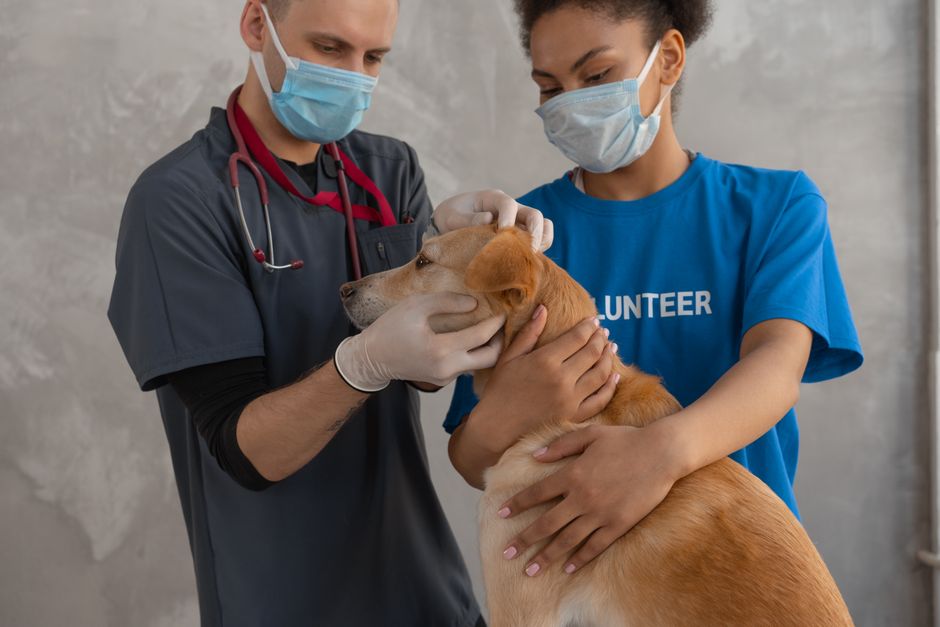
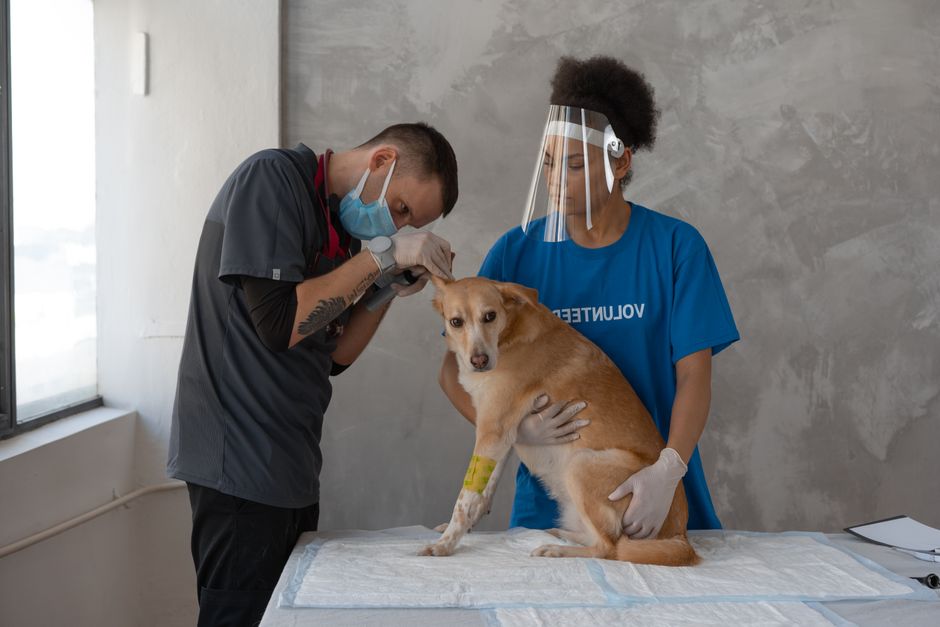
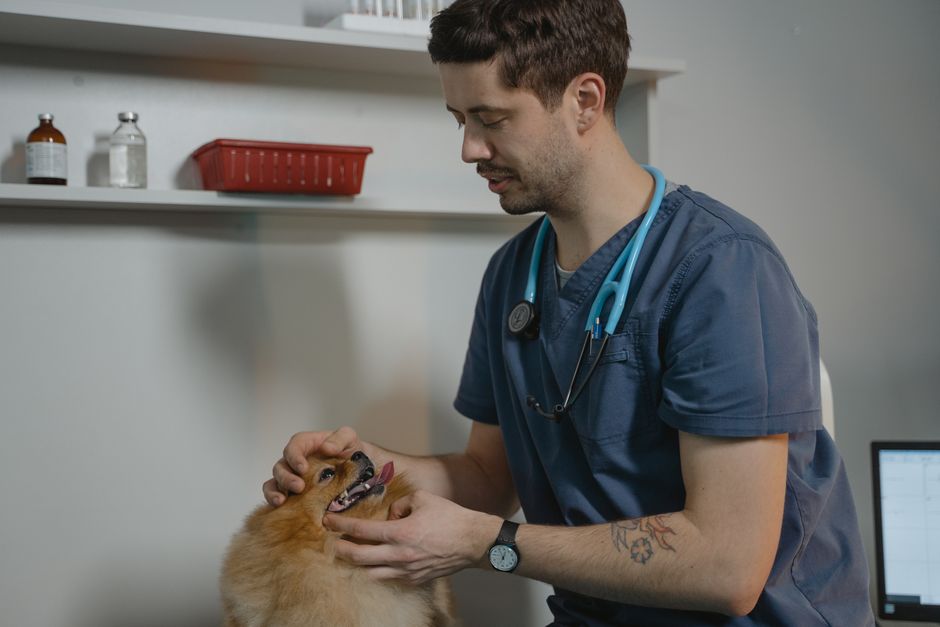
After your primary veterinarian refers your pet to a veterinary oncology specialist, the journey begins with a thorough review of your pet’s medical history and previous test results. At Veterinary Cancer Health, our board-certified veterinary oncologist will perform a comprehensive examination and discuss any symptoms or changes you have noticed at home. Advanced diagnostics play a crucial role in determining the type and stage of cancer. This process may include bloodwork, X-rays, ultrasound, CT scans, or tissue sampling through biopsy or cytology. Our clinic uses state-of-the-art technology to ensure an accurate diagnosis, which guides all future decisions.
For more information about how we approach this critical step, explore our cancer diagnosis and staging services or learn about the details of biopsy and cytology procedures that help confirm the diagnosis.
Developing a Personalized Cancer Treatment Plan
Once your pet’s cancer diagnosis is confirmed and staged, the focus shifts to developing a personalized treatment plan tailored to your pet’s specific needs and your family’s goals. At Veterinary Cancer Health, treatment planning is a collaborative process. Our oncology team will discuss all available options, which may include chemotherapy, targeted therapy, immunotherapy, electrochemotherapy, or a combination of these advanced medical treatments. We believe that every pet is unique, so we consider factors such as your pet’s age, overall health, tumor location, and quality of life. Our customized treatment planning services are designed to help you understand the risks and benefits of each option, set realistic expectations, and make choices that align with your values.
Ongoing Care and Monitoring
Cancer care does not end with the start of treatment. Your pet will need regular recheck exams and monitoring throughout the course of therapy. These appointments allow our oncology team to assess your pet’s response, manage any side effects, and adjust the treatment plan as needed. Monitoring techniques may include physical exams, repeat imaging, and bloodwork. Our goal is always to maximize your pet’s comfort and maintain their quality of life. You can read more about ongoing cancer care and monitoring on our website, which describes how we support pets and families throughout their cancer journey.
Supportive Home Care: How You Can Help Your Pet Adjust
While advanced medical treatments are critical, your role as a pet owner is equally important in supporting your dog or cat at home. Maintaining a consistent daily routine can help reduce stress for both you and your pet. Encourage eating and hydration by providing favorite foods and ensuring fresh water is always available. Monitor for changes in appetite, bathroom habits, or energy level, and keep a journal to share with your oncology team. Gentle exercise, such as short walks or interactive play, can support mental and physical well-being unless otherwise directed by your veterinarian. Administer all prescribed medications as instructed and watch for any signs of discomfort or adverse reactions. If your pet experiences pain, difficulty breathing, vomiting, diarrhea, or any other sudden changes, contact your oncology team immediately. Emotional support is just as important; spending quality time together and offering gentle affection can provide comfort during this challenging time.
When to Seek Veterinary Oncology Care
Certain situations require immediate attention from a veterinary professional. If your pet develops sudden swelling, difficulty breathing, persistent vomiting or diarrhea, extreme lethargy, or is in visible pain, contact your oncology team right away. Additionally, if you notice your pet refusing to eat or drink for more than 24 hours, or if wounds begin to bleed or show signs of infection, seek prompt veterinary care. For most non-urgent questions or concerns about your pet’s cancer journey, our team is available to provide guidance and support during regular clinic hours. For those seeking a “cancer vet near me” in Coral Springs or nearby communities, Veterinary Cancer Health is equipped to offer advanced diagnostics, treatment, and compassionate care.
Second opinions are sometimes recommended or requested for peace of mind. If your pet was diagnosed elsewhere and you would like an expert review, we provide second opinions and case reviews to help you feel confident about your next steps.
Compassion, Communication, and Ongoing Partnership
A new cancer diagnosis in your dog or cat may feel like the world has shifted, but you are not alone. At Veterinary Cancer Health, our team of compassionate oncology professionals is committed to supporting your family every step of the way. We value open communication and encourage you to ask questions, express concerns, and share your observations about your pet’s comfort and happiness. Our goal is to empower you with knowledge, provide access to advanced treatments, and help you make informed decisions that honor your pet’s unique needs.
If you have recently received a cancer diagnosis for your dog or cat and are searching for a “cancer vet near me,” our Coral Springs oncology clinic is here to help. Contact our team at (954) 459-28504 or visit us at 4101 Turtle Creek Drive, Coral Springs, FL 33067 to schedule a consultation or learn more about our advanced cancer care services. For additional support, you can explore our resources on cancer diagnosis and staging or customized treatment planning. Together, we will strive to provide the best possible quality of life for your pet and peace of mind for your family as you navigate this journey.