.png)
Why Is My Dog Losing Weight but Eating Normally?
.png)
Why Is My Dog Losing Weight but Eating Normally? Understanding Unexplained Weight Loss in Dogs
If you are a dog owner in Coral Springs or the surrounding communities and have noticed that your dog is losing weight but eating normally, it is natural to feel worried and confused. Unexplained weight loss can be distressing, especially when your dog seems to have a healthy appetite. At Veterinary Cancer Health, located at 4101 Turtle Creek Drive, Coral Springs, FL 33067, we understand how concerning these changes can be. Our veterinary oncology team specializes in advanced diagnostics and compassionate care for dogs and cats facing complex health issues, including cancer. In this blog, we will explore why your dog may be losing weight despite eating well, discuss possible causes such as cancer, and explain the importance of prompt evaluation with a veterinary specialist. We will also offer practical steps you can take at home and guide you on when to seek expert help. If you are searching online for answers to "my dog is losing weight but eating normally," you have come to the right place for clarity and support.
Recognizing the Problem: Is Your Dog Really Losing Weight?
Noticing weight loss in your dog can sometimes be subtle, especially if it happens gradually. You may observe that your dog's ribs, spine, or hips are becoming more prominent, or perhaps their collar feels looser. While some dogs are naturally lean, sudden or progressive weight loss is a red flag that should never be ignored. Signs that your dog is losing weight include visible rib outlines, a decrease in muscle mass, and changes in overall body shape. Additionally, you might notice that while your dog eagerly finishes meals, they still seem less energetic or are not maintaining their usual physique. Tracking your dog's weight at home or during regular veterinary visits can help you detect these changes earlier. If you find yourself asking, "Why is my dog losing weight but eating normally?" it is crucial to consider both visible and subtle changes in your dog's appearance and behavior.
Why Does a Dog Lose Weight When Appetite Is Normal?
Unexplained weight loss in dogs with a normal appetite can result from a range of underlying medical conditions. Some causes are relatively mild, while others may point to serious health concerns such as cancer. Understanding the potential reasons can help you make informed decisions about your dog's health.
Metabolic and Gastrointestinal Disorders
Dogs with metabolic disorders like diabetes, hyperthyroidism, or Addison’s disease can experience weight loss even if they are eating well. These conditions disrupt the way your dog’s body uses nutrients, causing them to lose weight despite a good appetite. Gastrointestinal conditions, including inflammatory bowel disease or malabsorption syndromes, may also prevent your dog from absorbing nutrients efficiently. Symptoms to watch for include increased thirst, changes in stool, more frequent urination, or digestive upset.
Chronic Infections and Parasites
Chronic infections, such as those affecting the kidneys or liver, can lead to gradual weight loss. Internal parasites may also cause a dog to lose weight, even when eating regularly. Other signs might include a dull coat, vomiting, or intermittent diarrhea. While routine deworming can address some causes, persistent weight loss always deserves deeper investigation.
Cancer as an Underlying Cause
Cancer is a significant concern for dogs experiencing unexplained weight loss, especially when accompanied by a normal or increased appetite. Certain cancers—such as lymphoma, gastrointestinal tumors, or other malignancies—can alter metabolism, increase nutrient demands, or interfere with the body's ability to process food. In some cases, the tumor itself may be using up calories or causing internal inflammation. If you are concerned that your dog’s weight loss could be due to cancer, it is important to seek specialized veterinary oncology care. Our team at Veterinary Cancer Health offers advanced cancer diagnosis and staging to help identify or rule out cancer as a cause of weight loss.
How Veterinary Oncologists Diagnose Unexplained Weight Loss
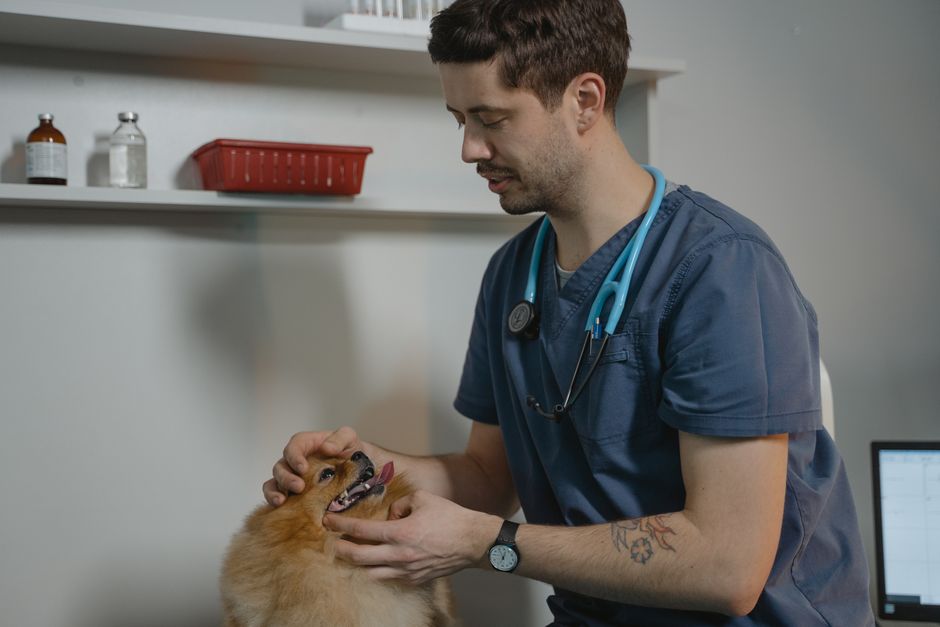
When your dog is losing weight but eating normally, a thorough diagnostic process is essential. At Veterinary Cancer Health in Coral Springs, our board-certified veterinary oncologist and support team use a combination of advanced tools and expertise to identify the root cause of your dog’s symptoms.
Comprehensive Diagnostic Testing
The diagnostic process often begins with a detailed physical examination and a discussion of your dog’s medical history. Our veterinarians may recommend routine bloodwork and urinalysis to check for signs of metabolic disease, infection, or organ dysfunction. Blood tests can also provide clues about underlying inflammation or cancer-related changes.
Next, advanced imaging techniques such as veterinary ultrasound, digital radiographs (X-rays), or even a CT scan may be needed to examine your dog’s internal organs, look for tumors, or identify gastrointestinal problems. If a mass or abnormal tissue is found, our specialists can perform a biopsy or cytology to determine whether cancer cells are present.
For complex or unclear cases, we offer advanced cancer diagnostics including molecular testing and immunohistochemistry, which help us deliver the most accurate diagnosis possible.
Collaboration with Your Primary Veterinarian
Many families first notice weight loss during a routine checkup with their primary care veterinarian. If cancer is suspected, your veterinarian may refer you to our oncology clinic for specialized diagnostics and treatment. Our oncology team values this collaborative approach and works closely with referring veterinarians to ensure seamless, coordinated care for every patient.
Treatment Approaches for Weight Loss Caused by Cancer
If cancer is diagnosed as the cause of your dog's weight loss, our oncology team will develop a personalized treatment plan tailored to your pet's specific needs. Cancer treatment in dogs has advanced significantly in recent years, and many dogs can experience improved quality of life with the right approach.
Medical Oncology Therapies
Treatment options may include chemotherapy, targeted therapy, or immunotherapy, depending on the cancer type and stage. Chemotherapy can help shrink or control tumors, while targeted therapies are designed to attack cancer cells with minimal impact on healthy tissue. Immunotherapy works by stimulating your dog's own immune system to fight cancer more effectively.
In some situations, our team may recommend supportive care such as appetite stimulants, nutritional support, or pain management to help your dog maintain strength during treatment. Regular monitoring, including bloodwork and recheck exams, helps us adjust the plan as needed and monitor your dog's response.
Compassionate Palliative Care
For dogs with advanced cancer or when curative treatment is not possible, our oncology specialists provide compassionate palliative care focused on comfort and quality of life. This may involve managing pain, controlling symptoms, and supporting your family through difficult decisions. Our team is dedicated to helping you navigate every stage of your dog's cancer journey with empathy and expertise.
What Can Dog Owners Do at Home?
While professional evaluation is essential for unexplained weight loss, there are several steps you can take at home to support your dog's overall well-being.
Monitoring your dog’s weight regularly can help you recognize changes early. Keeping a log of their daily food intake, changes in appetite, and any new symptoms gives your veterinary team valuable information. Make note of changes such as vomiting, diarrhea, increased thirst, lethargy, or changes in behavior, and share these with your veterinarian during appointments.
Offering a consistent, high-quality diet tailored to your dog’s age and health needs is important. Avoid making sudden changes to your dog's diet without consulting your veterinarian, as this can mask underlying problems or cause additional stress. If your dog is undergoing cancer treatment or has been diagnosed with a medical condition, our oncology team can provide guidance on nutritional strategies to support recovery and maintain strength.
When Should You Seek Veterinary Oncology Care?
If you notice that your dog is losing weight but eating normally, especially when weight loss is persistent, rapid, or accompanied by other symptoms such as vomiting, diarrhea, coughing, abnormal lumps, or decreased energy, prompt veterinary attention is crucial. Early evaluation allows for timely diagnosis and increases the chances of a positive outcome.
You should contact a veterinary oncologist if your primary care veterinarian suspects cancer, if you want a second opinion, or if advanced diagnostics are needed. Our board-certified oncology team at Veterinary Cancer Health in Coral Springs is equipped to handle complex cases and provide both answers and hope for your family.
If you are unsure whether your dog’s symptoms warrant a specialist, it is always better to err on the side of caution. Our team offers second opinions and case reviews for pet owners who need expert insight into challenging cases. When searching for a "cancer vet near me," look for a team with advanced diagnostics, compassionate care, and a strong reputation for collaboration with local veterinarians.
Supporting Your Dog’s Health in Coral Springs and Beyond
Unexplained weight loss in dogs, particularly when appetite remains normal, should never be brushed aside. While some underlying causes are manageable, others—like cancer—require prompt, specialized intervention. At Veterinary Cancer Health, our team of veterinary oncology professionals is committed to helping you find answers and provide the best possible care for your dog. We serve Coral Springs and surrounding communities with advanced diagnostics, personalized treatment options, and ongoing support for every step of your pet’s journey.
If you are concerned about "my dog is losing weight but eating normally," or if you need a cancer vet near me, reach out to our experienced team for guidance. Schedule a consultation with our veterinary oncology team at 4101 Turtle Creek Drive, Coral Springs, FL 33067 or call us at (195) 459-28504. Together, we can help your dog achieve the best possible quality of life, no matter where the journey leads.
Disclaimer: This blog is intended for informational purposes only and is not a substitute for professional veterinary advice. If your dog is experiencing unexplained weight loss, please consult your veterinarian or a board-certified veterinary oncologist for an accurate diagnosis and treatment plan.