Preparing Your Pet for Oncology Appointments in Coral Springs

Preparing Your Pet for Oncology Appointments in Coral Springs
Facing a cancer diagnosis in your dog or cat can feel overwhelming, but taking steps to prepare for oncology appointments can make a significant difference for both you and your companion. At Veterinary Cancer Health, located at 4101 Turtle Creek Drive, Coral Springs, FL 33067, our team of veterinary oncology professionals is dedicated to delivering compassionate, advanced cancer care for dogs and cats from Coral Springs and surrounding communities. Whether your pet is coming in for a first consultation, diagnostic staging, or ongoing cancer care, knowing what to expect and how to help your pet feel comfortable can ease anxiety and set the stage for the best possible experience.
In this guide, you’ll find clear, practical tips to help you prepare for your pet’s oncology appointment. We’ll discuss how to recognize when specialized cancer care is needed, what information and items to bring, how our oncology team manages diagnostics and treatment, and what you can do at home to support your dog or cat. We’ll also cover when to reach out for professional help and how our veterinary oncology clinic partners with you and your primary care veterinarian every step of the way. If you’re seeking a specialty oncology vet near me, you’ll find detailed information on what sets our Coral Springs clinic apart and how to connect with our experienced team.
Recognizing When Your Pet Needs an Oncology Appointment
Understanding when to seek specialized cancer care is the first step in supporting your pet’s health. While not every lump, bump, or change in behavior indicates cancer, there are certain signs that warrant a closer look from a veterinary oncologist. Common situations that prompt oncology referrals include a recent diagnosis of cancer by your primary care veterinarian, the discovery of a mass or abnormal growth, unexplained weight loss, changes in appetite, persistent lameness, non-healing wounds, or unusual bleeding. Sometimes, you may notice more subtle changes, such as decreased energy, changes in your pet’s breathing, or persistent coughing.
It’s also important to consider your pet’s risk factors. Older dogs and cats, as well as certain breeds, may be more prone to specific types of cancer. If your veterinarian has found abnormal bloodwork or imaging results, or if your pet’s condition isn’t improving with standard therapies, a referral to an oncology specialist can help clarify the diagnosis and outline advanced treatment options. Early evaluation by a veterinary oncologist often means more options for your pet and a better understanding of what to expect in the months ahead.
Understanding the Oncology Appointment Process
What Happens During a Cancer Consultation?
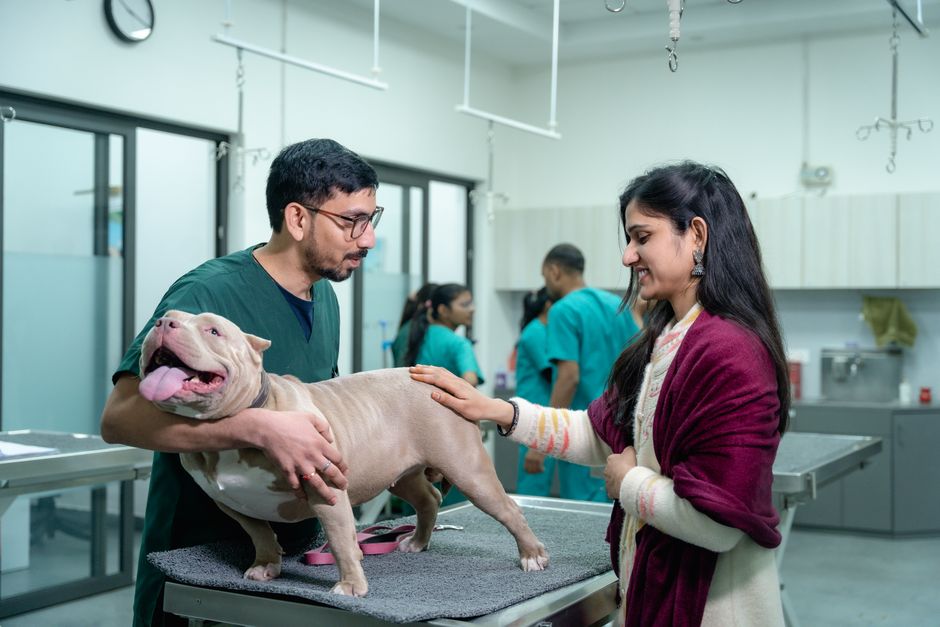
At Veterinary Cancer Health, our oncology appointments are designed to be thorough and supportive. Your initial visit typically involves a detailed review of your pet’s medical history, a physical examination, and a discussion about any previous diagnostic results or treatments. If you are seeking a second opinion or have complex records from other clinics, our record review service can help ensure that all relevant information is considered.
The appointment may include additional diagnostic procedures, such as blood tests, advanced imaging (ultrasound, digital radiographs, or CT scans), or sampling techniques like biopsy and cytology. These steps help us accurately diagnose your pet’s cancer and determine the most effective treatment plan. Our veterinary team will guide you through each phase, answering your questions and ensuring that you understand the reasons behind every recommendation. If your pet has already started treatment elsewhere, we can offer second opinions and case reviews to help you feel confident in your next steps.
What to Bring to Your Pet’s Oncology Appointment
Preparing a few important items ahead of your visit can make the process smoother for both you and your pet. Bring any previous medical records, including recent test results, X-rays, or pathology reports. If possible, ask your primary care veterinarian to send these documents to our clinic in advance; this helps prevent delays and ensures our oncology team has a complete picture of your pet’s medical history. You should also bring a list of your pet’s current medications, supplements, and any relevant information about food allergies or sensitivities.
For your pet’s comfort, consider bringing a favorite blanket, toy, or treat from home. These familiar items can provide reassurance in a new environment. You may also want to bring a water bowl and waste bags, especially if your appointment is expected to be lengthy. If your pet is anxious or reactive around other animals, let our team know ahead of time so we can offer guidance on minimizing stress during your visit.
Why Specialized Oncology Care Matters
The Role of a Veterinary Oncologist
Veterinary oncology clinics like ours provide advanced diagnostic capabilities and innovative treatment options that go beyond standard veterinary care. Our team is highly trained in cancer diagnosis, staging, and medical management for dogs and cats. We use cutting-edge tools such as DNA sequencing and molecular analysis, targeted therapies, immunotherapies, and chemotherapy tailored to each pet’s specific cancer type and overall health status.
This specialized approach allows us to design customized treatment plans that are both effective and compassionate. By focusing exclusively on cancer care, we stay at the forefront of new developments in veterinary oncology and can offer therapies that may not be available in general practice settings. We also provide ongoing monitoring and adjustments to treatment as needed, ensuring that your pet receives the most appropriate care throughout their cancer journey.
Collaboration with Your Primary Veterinarian
Cancer care is most effective when there is open communication between your oncology team and your primary care veterinarian. Our clinic prioritizes collaboration with primary care veterinarians, sharing diagnostic findings, treatment updates, and recommendations to ensure a seamless experience for you and your pet. This partnership is especially valuable if your pet has other ongoing health conditions or if you need coordinated support for pain management, palliative care, or transition-of-care planning.
Supporting Your Pet at Home Before and After Oncology Visits
Your role as a pet owner is vital in preparing your dog or cat for oncology appointments and supporting them at home between visits. Begin by helping your pet feel comfortable with car rides and carrier use, as many pets experience anxiety during travel. Gradually acclimate your pet to their carrier or harness by offering treats and positive experiences in and around it. If your pet is particularly stressed by new environments, let our team know in advance; we can offer strategies to reduce anxiety, such as scheduling quieter appointment times or using pheromone sprays.
On the day of your appointment, try to maintain your pet’s normal routine as much as possible. Feed them as recommended by our team, especially if fasting is required for certain procedures. Allow time for a bathroom break before heading to the clinic. After the appointment, monitor your pet for signs of stress or discomfort, and follow any at-home care instructions provided by our veterinarians. This may include administering medications, watching for changes in appetite or energy, or providing extra rest as your pet recovers from diagnostic procedures.
If your pet is undergoing ongoing cancer treatment, regular monitoring and check-ins are key. Our clinic offers ongoing cancer care and monitoring, including recheck exams, lab work, and adjustments to the treatment plan based on your pet’s response. By staying in close contact with our veterinary oncology professionals, you can help ensure that your pet’s care remains personalized and responsive to their unique needs.
When to Seek Immediate Oncology Care
While many pets with cancer benefit from scheduled appointments, there are times when prompt attention is needed. If your dog or cat develops sudden difficulty breathing, collapses, experiences uncontrolled bleeding, or shows severe pain that cannot be managed at home, contact your veterinary oncologist or emergency veterinary service immediately. Other scenarios that warrant a call to our clinic include rapid swelling of a mass, persistent vomiting or diarrhea during chemotherapy, or significant changes in your pet’s behavior or alertness.
If you are ever unsure about your pet’s symptoms, our veterinary oncology team is here to advise you. Timely intervention can make a crucial difference, especially when managing side effects or complications related to cancer or its treatment. Never hesitate to reach out if you have questions or concerns between scheduled visits.
The Veterinary Cancer Health Difference: Compassionate Specialty Care in Coral Springs
Choosing specialized cancer care for your dog or cat is a significant decision, and our team at Veterinary Cancer Health is honored to support you through every step. Our veterinarians combine advanced medical expertise with a deep commitment to patient comfort and quality of life. From your first phone call to ongoing follow-up care, we strive to create a welcoming, supportive environment for both pets and their families.
We understand that searching for a specialty oncology vet near me means you want the very best for your companion. Located conveniently in Coral Springs, our clinic serves pet owners throughout the region, offering state-of-the-art diagnostics, innovative therapies, and individualized treatment plans. By partnering with you and your primary care veterinarian, we help ensure that your pet receives seamless, coordinated care from diagnosis through every stage of treatment.
If your dog or cat has been diagnosed with cancer, or if you are seeking advanced cancer diagnostics, second opinions, or ongoing oncology care, we encourage you to contact our veterinary oncology professionals. Schedule an appointment today by calling (954) 459-2850, and let us help you and your companion navigate the cancer journey with compassion and expertise. For more information on our cancer diagnosis and staging services or to explore our full range of oncology care, please visit our website. Your pet’s comfort, dignity, and well-being are always our top priorities.