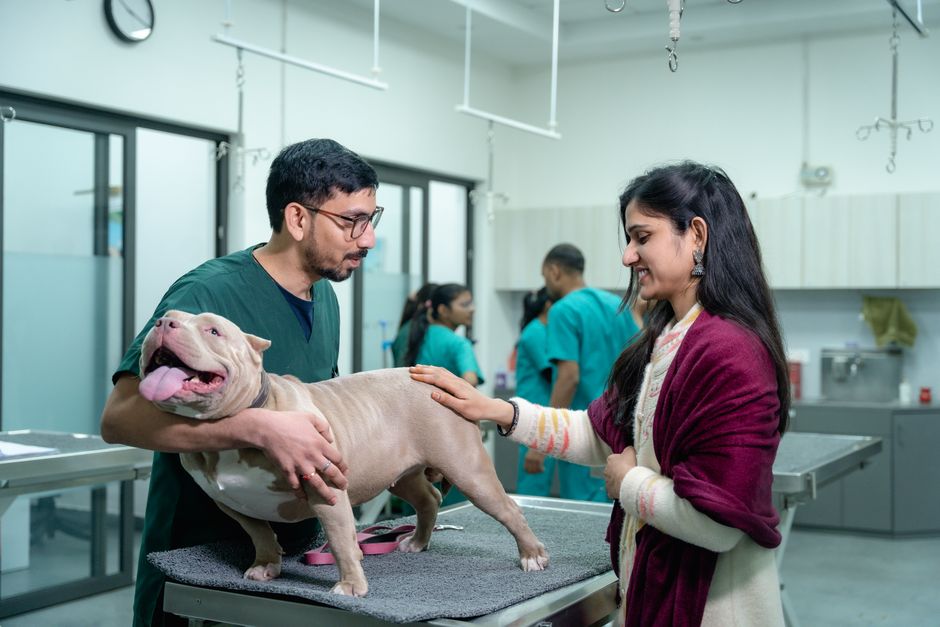
Dog Losing Weight Suddenly? When to Suspect Cancer

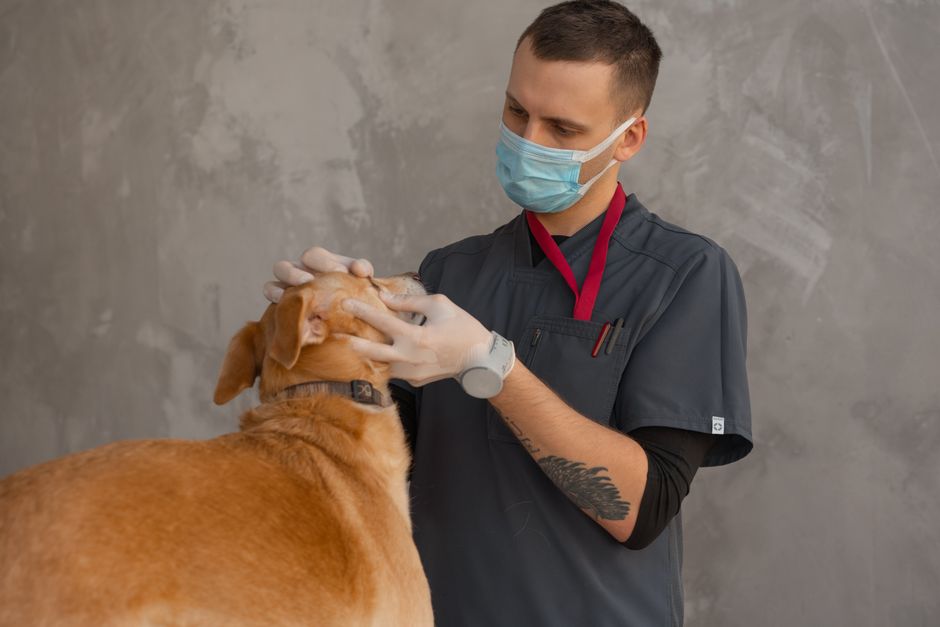
Dog Losing Weight Suddenly? When to Suspect Cancer
If you have noticed your dog losing weight suddenly, you are not alone in your concern. Unexpected weight loss in dogs is always a reason for close attention; sometimes, it can be an early sign of a serious underlying health problem, including cancer. At Veterinary Cancer Health, located at 4101 Turtle Creek Drive, Coral Springs, FL 33067, our veterinary oncology team understands how alarming these changes can be for pet owners. In this blog, we will discuss why sudden weight loss happens in dogs, how to recognize when it might signal cancer, what advanced diagnostic steps are available, and how our specialized care can help your dog regain comfort and quality of life. If you are searching for answers about your dog losing weight suddenly in Coral Springs or the surrounding area, read on to learn more about when to take action and what support is available.
Recognizing Sudden Weight Loss in Dogs: Is Something Serious Going On?
It is not uncommon for dogs to lose a small amount of weight if their diet has changed or their activity level has increased. However, a dog losing weight suddenly—especially if the weight loss is significant or continues despite a normal appetite—warrants a closer look. Key symptoms often include a visibly slimmer appearance, ribs or hip bones becoming more prominent, muscle loss, and a noticeable change in energy level. Some dogs may also develop a duller coat, become less interested in play, or seem less engaged with their family. If these changes develop quickly, within weeks or a couple of months, it is time to consider underlying medical causes rather than simple lifestyle factors.
In addition to weight loss, you might notice changes such as vomiting, diarrhea, increased thirst, or difficulty eating. Sometimes, dogs with cancer may show more subtle signs like mild lethargy, decreased stamina on walks, or changes in behavior. Any combination of these symptoms should be discussed with your veterinarian promptly.
Why Is My Dog Losing Weight Suddenly? Understanding the Causes
There are many possible reasons for a dog losing weight suddenly, and cancer is only one potential cause. Other medical issues, such as diabetes, kidney disease, gastrointestinal problems, or hyperthyroidism, can also lead to unexpected weight loss. However, when weight loss is rapid and unexplained by changes in food or exercise, cancer becomes a more significant concern—especially in middle-aged and older dogs.
Cancer can cause weight loss in several ways. Some tumors affect the digestive tract, making it harder for your dog's body to absorb nutrients. Others may release substances that alter metabolism, resulting in muscle wasting and fat loss even if your dog is eating normally. In other cases, cancer may cause pain, nausea, or a sensation of fullness that reduces appetite. For certain types of cancer, such as lymphoma, mast cell tumors, or gastrointestinal tumors, sudden weight loss may be one of the first signs you notice.
Because the causes of weight loss are so varied, advanced diagnostics are often required to pinpoint the problem. Our comprehensive cancer evaluations at Veterinary Cancer Health are designed to uncover the reason for your dog's symptoms and provide clear answers about whether cancer is present.
How Our Veterinary Oncologist Diagnoses Sudden Weight Loss in Dogs
When a dog presents with sudden weight loss, a thorough diagnostic approach is essential. Our board-certified veterinary oncologist will begin with a detailed medical history and physical examination, focusing on all possible contributors to your dog's symptoms.
The next steps may include advanced diagnostic tools such as routine bloodwork and urinalysis to check for organ dysfunction, anemia, or inflammation, as well as ultrasound imaging to evaluate internal organs and search for hidden masses. In some cases, digital radiographs (X-rays) or a CT scan may be recommended for a more detailed view of the chest or abdomen.
If any abnormal tissue, mass, or lymph node is identified, obtaining a sample for analysis through biopsy and cytology is often the next step. These tests help determine whether cancer cells are present and, if so, what type of cancer may be affecting your dog. For complex cases, our team can utilize advanced cancer diagnostics, including flow cytometry, immunohistochemistry, and molecular testing, to accurately identify and stage the cancer, allowing us to design the most effective treatment plan for your dog.
Treatment Options for Dogs with Cancer-Related Weight Loss
If your dog is diagnosed with cancer, the treatment approach will depend on the specific type of cancer, its location, and your dog's overall health. Veterinary oncology has advanced rapidly in recent years, and our team at Veterinary Cancer Health offers a range of medical treatments designed to improve comfort, extend quality of life, and—whenever possible—treat or control the cancer.
Treatment options may involve chemotherapy, targeted therapy, immunotherapy, or electrochemotherapy, each selected based on the cancer's characteristics and your dog's needs. For some tumors, surgery or radiation therapy may also be considered; however, our focus is always on therapies supported by the latest research and tailored to your dog's individual situation.
Managing weight loss is a key part of supportive care for dogs undergoing cancer treatment. Nutritional support may include prescription diets, appetite stimulants, or supplements to preserve muscle mass and energy. Our oncology team will work closely with you to monitor your dog's response, adjust treatment as needed, and address any side effects or changes in appetite. Ongoing cancer care and monitoring are essential for keeping your dog comfortable throughout the treatment journey.
Supporting Your Dog at Home: Steps You Can Take
While professional veterinary care is essential for diagnosing and treating cancer, there are steps you can take at home to help your dog feel their best. Providing small, frequent meals can encourage eating in dogs with reduced appetite. Offering high-quality, palatable diets recommended by your veterinary oncologist can also make a difference. Keep fresh water available at all times, and monitor your dog's weight weekly using a consistent method, such as a home scale or regular weigh-ins at the clinic.
Pay close attention to changes in activity, behavior, or appetite, and report any new symptoms to your oncology team promptly. Avoid making significant diet changes without veterinary guidance, as some supplements or homemade diets may interact with cancer treatments or fail to provide balanced nutrition. Your support, combined with professional monitoring, can have a positive impact on your dog's comfort and wellbeing during this challenging time.
When Should You Seek Veterinary Oncology Care?
If you notice your dog losing weight suddenly, especially when it is not explained by changes in diet or activity, it is important to take action quickly. Timely diagnosis increases the chances of effective treatment and can help prevent additional complications. Seek veterinary care if your dog is losing weight rapidly, appears weak, is experiencing vomiting or diarrhea that does not resolve, or shows other signs such as difficulty breathing, persistent coughing, swelling, or visible lumps. These symptoms may indicate a need for advanced diagnostic evaluation.
Primary care veterinarians are an excellent first resource, but when cancer is suspected or confirmed, consulting a veterinary oncology specialist can provide your dog with the most advanced and targeted care. Our team at Veterinary Cancer Health collaborates with referring veterinarians across Coral Springs and surrounding communities to ensure each patient receives the expert attention they need.
Compassionate, Specialized Cancer Care for Dogs in Coral Springs
Facing a situation where your dog is losing weight suddenly can be overwhelming, but you do not have to navigate this journey alone. At Veterinary Cancer Health, our team of veterinary oncology professionals is dedicated to providing compassionate, individualized care for every patient and family. From advanced diagnostics to ongoing support, we are here to answer your questions, guide you through every step, and offer the most effective treatment options for your dog's comfort and quality of life.
If you have concerns about your dog's health or are searching for a specialty vet near me in Coral Springs, reach out to our team for expert guidance and support. You can visit us at 4101 Turtle Creek Drive, Coral Springs, FL 33067, or call (954) 645-8152 to schedule a consultation. For more information about our comprehensive cancer evaluations and diagnostic services, or to learn about ongoing cancer care and monitoring, visit our website or speak directly with our veterinary oncology team. When it comes to your dog losing weight suddenly, prompt action and expert care make all the difference.