.png)
Practical Steps for Managing Unexpected Weight Loss in Dogs
.png)
Practical Steps for Managing Unexpected Weight Loss in Dogs
Unexpected weight loss in dogs can be alarming for any pet owner. If you find yourself asking, "what practical steps can I take to manage understanding unexpected weight loss in a dog?" you are not alone. This is a common concern, and knowing how to respond can make a real difference in your dog's health and comfort. At Veterinary Cancer Health in 4101 Turtle Creek Drive, Coral Springs, FL 33067, our compassionate oncology team specializes in helping dog and cat owners in Coral Springs and surrounding communities find answers and solutions when faced with worrying symptoms like weight loss. In this article, we will explore how to recognize the problem, what underlying conditions can contribute, the advanced diagnostic and treatment options available for dogs experiencing weight loss, and when it's time to consult a veterinary oncologist. Throughout, we will highlight what practical steps you can take at home and how our team supports you every step of the way.
Recognizing Unexpected Weight Loss in Your Dog
Understanding when weight loss is a concern begins with knowing your dog's normal body condition and habits. Some fluctuations in weight can be normal, especially with changes in exercise or diet; however, a noticeable decrease in weight without an obvious reason should not be ignored. Key signs of unexpected weight loss include a visible decrease in body fat or muscle, ribs, hips, or spine becoming more prominent, a decrease in appetite, and lethargy or decreased activity. Additionally, if you notice your dog’s collar becoming loose, or if friends or family comment that your dog looks thinner, these are cues to pay attention to. Tracking your dog’s weight at home or during veterinary visits can help you detect subtle changes early.
Why Does Sudden Weight Loss Occur? Common Causes in Dogs
There are many reasons why a dog might lose weight unexpectedly, ranging from simple dietary issues to complex medical conditions. Some of the most frequent causes include changes in appetite due to stress, dental disease, gastrointestinal disorders, metabolic issues such as diabetes or thyroid disease, and organ dysfunction. For older dogs or those with a history of chronic health problems, underlying disease processes like cancer can also be a significant concern. When you ask, "what practical steps can I take to manage understanding unexpected weight loss in a dog?" it's essential to consider that weight loss may be your first sign of an internal issue, including cancer. Tumors affecting the intestines, liver, spleen, or lymph nodes may not be visible externally but can cause marked weight loss and subtle changes in your dog’s behavior or energy.
Advanced Diagnostics: How Our Oncology Team Finds Answers
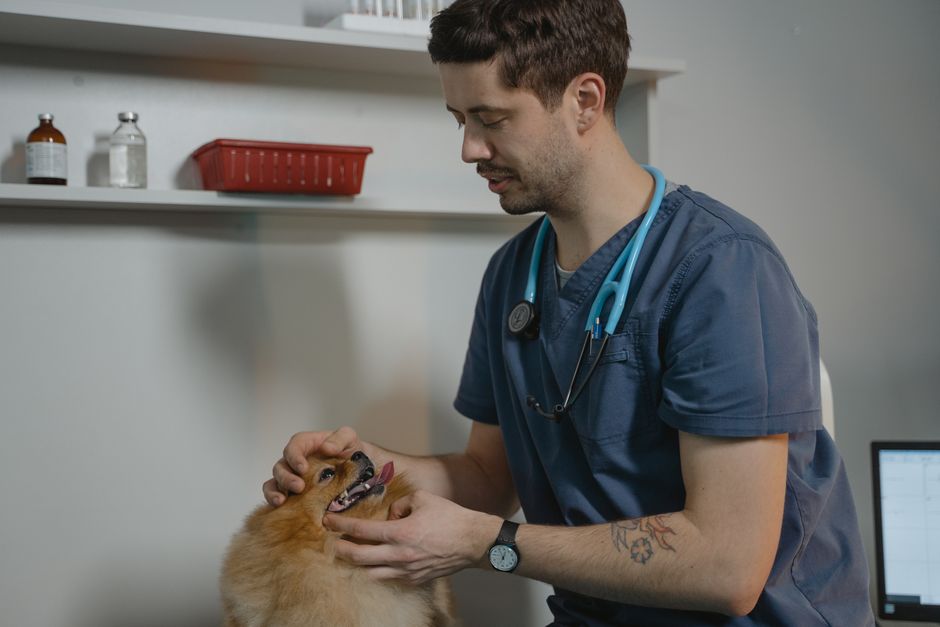
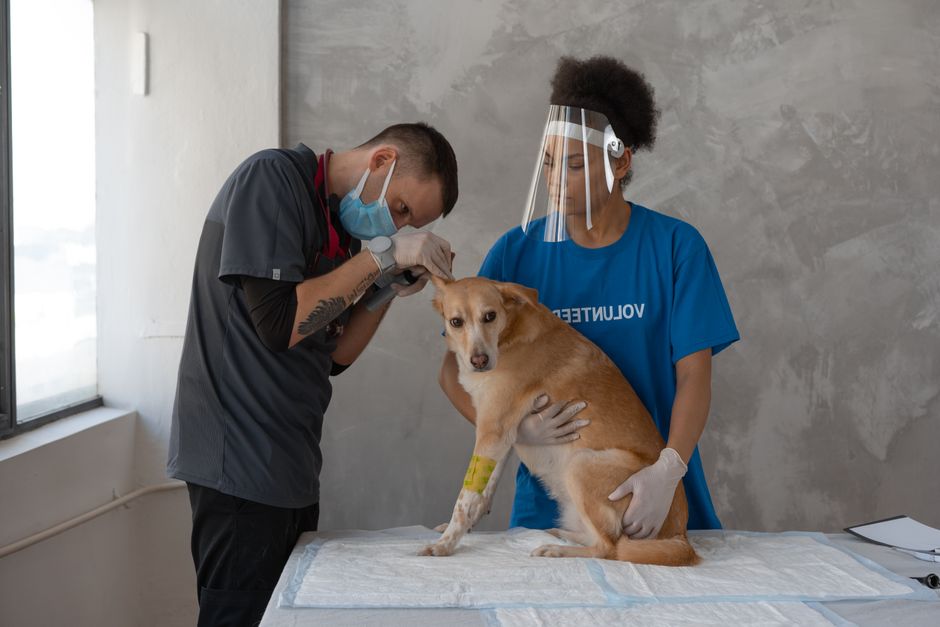
When your primary veterinarian is concerned about your dog’s weight loss, a referral to a veterinary oncologist may be recommended—especially if cancer is a possible cause. At Veterinary Cancer Health in Coral Springs, we use a range of advanced tools to identify the reason behind your dog’s weight loss and to create a targeted treatment plan. The diagnostic journey often begins with a thorough physical examination and routine bloodwork and urinalysis, which help rule out metabolic and organ-related causes. If cancer is suspected or other tests are inconclusive, our team may recommend cancer diagnosis and staging evaluations to assess the presence and progression of disease. We utilize imaging technologies such as ultrasound, digital radiographs (X-rays), and CT scans to visualize internal organs and detect masses that could be contributing to weight loss. For definitive answers, biopsy and cytology services allow us to examine tissue samples for cancer cells. By combining these advanced diagnostics, we achieve a comprehensive understanding of your dog’s condition and can recommend practical next steps.
What Practical Steps Can I Take to Manage Understanding Unexpected Weight Loss in a Dog?
If you are wondering what practical steps can I take to manage understanding unexpected weight loss in a dog, there are several actions you can take both at home and in collaboration with your veterinary team. Begin by closely monitoring your dog’s eating habits, energy levels, and overall demeanor. Keep a written log of your dog’s daily food intake, any vomiting or diarrhea, and note any additional symptoms such as coughing, changes in thirst, or difficulty swallowing. Weigh your dog regularly if possible, using the same scale for consistency. Share these observations with your veterinarian or oncology specialist, as this information is often vital in guiding further diagnostics.
At Veterinary Cancer Health, our team works with you to assess the underlying cause and tailor a management plan specifically for your dog. This might involve scheduling ongoing recheck examinations and bloodwork to monitor changes, making dietary adjustments to support healthy weight, or pursuing advanced diagnostics if cancer is suspected. Treatment options may include medical therapies such as chemotherapy, immunotherapy, or targeted therapies if a cancer diagnosis is confirmed. For some dogs, palliative care and supportive nutritional strategies are the best approach to maintain comfort and quality of life. Throughout the process, our veterinary team provides clear communication and compassionate guidance so you always know what to expect and how to support your dog at home.
Supporting Your Dog at Home: Practical Tips for Owners
While professional evaluation is crucial, there are also practical ways to care for your dog at home while addressing unexpected weight loss. Start by offering high-quality, palatable food and ensuring your dog has a quiet, stress-free place to eat. Small, frequent meals can sometimes help dogs who are reluctant to eat larger portions. Avoid offering table scraps or unfamiliar treats that could upset your dog’s digestion. Track water intake and watch for signs of dehydration, such as dry gums or lethargy. If your dog is on prescribed medication, administer it as directed and keep your veterinarian informed about any side effects or changes. By being attentive and proactive, you help create a stable environment that supports your dog’s recovery and comfort.
When to Seek Veterinary Oncology Care in Coral Springs
Some situations require immediate attention from a veterinary professional. If your dog experiences rapid weight loss, severe lethargy, persistent vomiting or diarrhea, labored breathing, or visible masses, do not delay seeking help. Even if symptoms are mild, ongoing or unexplained weight loss always warrants a call to your veterinarian. When an underlying condition such as cancer is suspected or your primary care veterinarian recommends a specialist evaluation, reaching out to a dedicated oncology clinic is the next step. At Veterinary Cancer Health, our team is committed to providing thorough assessments and state-of-the-art care for dogs experiencing unexplained weight loss. We welcome referrals from general practitioners and work closely with you and your primary veterinarian to ensure your dog receives the best possible care.
Ongoing Monitoring and Support for Dogs with Chronic or Serious Illness
For dogs diagnosed with cancer or another chronic condition, ongoing monitoring is key to maintaining quality of life and adjusting care as needed. Our oncology team provides ongoing cancer care and monitoring, including routine checkups, bloodwork, and adjustments to treatment plans. Regular communication between you, your primary veterinarian, and our oncology specialists helps ensure changes in your dog’s weight, appetite, or comfort are addressed promptly. With a compassionate, individualized approach, we help you navigate the challenges of managing unexpected weight loss and supporting your dog’s wellbeing at every stage.
Taking Action: Your Partner in Veterinary Oncology Care
If you are concerned about sudden weight loss in your dog and are searching for what practical steps can I take to manage understanding unexpected weight loss in a dog, remember that prompt action and professional evaluation are essential. At Veterinary Cancer Health, we provide expert oncology care for dogs and cats from Coral Springs and surrounding communities. Our veterinary team is here to guide you through the diagnostic process, support you with practical home care strategies, and offer advanced treatment options tailored to your dog’s needs. When looking for a "cancer vet near me," trust our experienced team for compassionate, state-of-the-art care. To schedule a consultation or discuss your dog’s symptoms, contact us at (954) 369-9688 or visit us at 4101 Turtle Creek Drive, Coral Springs, FL 33067. For more information about our comprehensive cancer diagnosis and staging services, visit our cancer diagnosis and staging evaluations page. Your dog’s health and comfort are always our top priority—let us help you find answers and peace of mind.