.png)
Innovations in Pet Cancer Diagnosis at Our Coral Springs Clinic
.png)
Innovations in Pet Cancer Diagnosis at Our Coral Springs Clinic
When a beloved dog or cat faces a possible cancer diagnosis, pet owners want answers—and hope—as quickly as possible. At Veterinary Cancer Health, located at 4101 Turtle Creek Drive, Coral Springs, FL 33067, we understand how overwhelming this journey can feel. Our team of veterinary oncology professionals is dedicated to providing advanced cancer diagnostics for dogs and cats, using technology and expertise to detect cancer earlier and guide you through every step of your pet’s care. In this blog, we’ll explore the latest innovations in veterinary cancer diagnosis, from CT scans and biopsies to molecular analysis, and explain how these advancements help us tailor the best possible treatment plans for your companion. Whether you’re in Coral Springs or the surrounding communities, our goal is to combine compassion with cutting-edge care, ensuring your pet has the best chance for a positive outcome.
Recognizing the Signs: When Should You Suspect Cancer in Your Pet?
Identifying cancer in dogs and cats is not always straightforward, as early symptoms can be subtle or mistaken for other conditions. Pet owners should be alert to changes such as a lump or swelling that persists or grows, unexplained weight loss, decreased appetite, or persistent lameness. You might notice your dog or cat becoming more tired than usual, experiencing difficulty breathing, or developing sores that do not heal. Other warning signs include abnormal bleeding, difficulty eating or swallowing, and changes in bathroom habits. While these symptoms do not always mean cancer is present, they do warrant prompt attention from a veterinary professional.
In many cases, the earlier cancer is detected, the greater the range of treatment options and the better the prognosis. At our Coral Springs oncology clinic, we encourage you to trust your instincts; if something seems off with your pet’s health or behavior, timely evaluation can make a significant difference. Our veterinary team is skilled in distinguishing between benign issues and those that require further investigation, ensuring your companion receives the focused care they need.
Why Does Cancer Develop in Dogs and Cats?
Cancer in pets, much like in people, results from changes at the cellular level where normal growth and division go awry. Several factors contribute to this risk, including age, genetic predisposition, environmental influences, and, in some cases, viral infections. As dogs and cats live longer thanks to advances in nutrition and preventive care, the likelihood of developing cancer increases with age. Certain breeds may be more susceptible to specific types of cancer due to hereditary factors, while exposure to environmental carcinogens—such as tobacco smoke, pesticides, or sunlight—can also play a role.
Understanding why cancer develops is important for both prevention and making informed decisions about your pet’s care. At Veterinary Cancer Health, we use advanced diagnostic tools not only to detect and stage cancer but also to gather information about the cancer’s underlying biology. This allows us to recommend the most effective treatment options and support you in every aspect of your pet’s journey, from diagnosis through ongoing care.
Advanced Cancer Diagnostics: Modern Tools for Early Detection
Modern veterinary oncology has changed dramatically in recent years, offering pet owners new hope through earlier and more precise cancer detection. At Veterinary Cancer Health, our approach to diagnosing cancer in dogs and cats is rooted in comprehensive, individualized care. We employ a suite of advanced tools to ensure no detail is overlooked.
Imaging Technology: Seeing Beneath the Surface
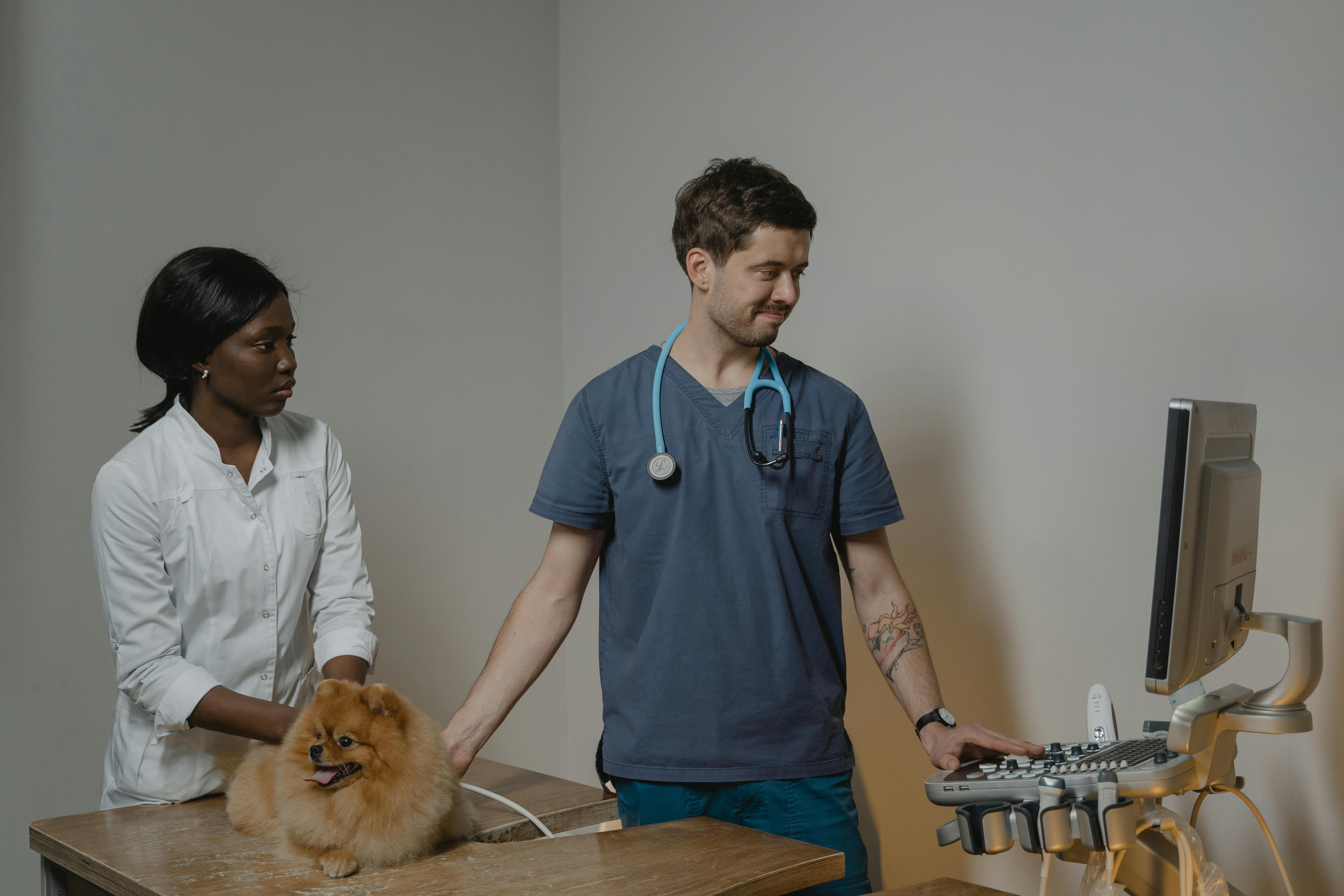
Imaging is often the first step in evaluating a possible cancer diagnosis. Our clinic offers digital radiographs (X-rays), ultrasound, and CT scans to visualize internal structures. Digital radiographs provide detailed images of bones and some soft tissues, helping us detect masses, bone lesions, or signs of cancer spread. Ultrasound offers a real-time view of organs, allowing our veterinary team to assess abnormalities in the abdomen or chest. For even greater detail, a CT scan produces cross-sectional images, giving us a three-dimensional picture of tumors and their relationship to surrounding tissues. This technology is especially valuable for planning surgery or targeted treatments, as it helps us define the extent of disease with exceptional accuracy.
Biopsy and Cytology: Getting to the Root
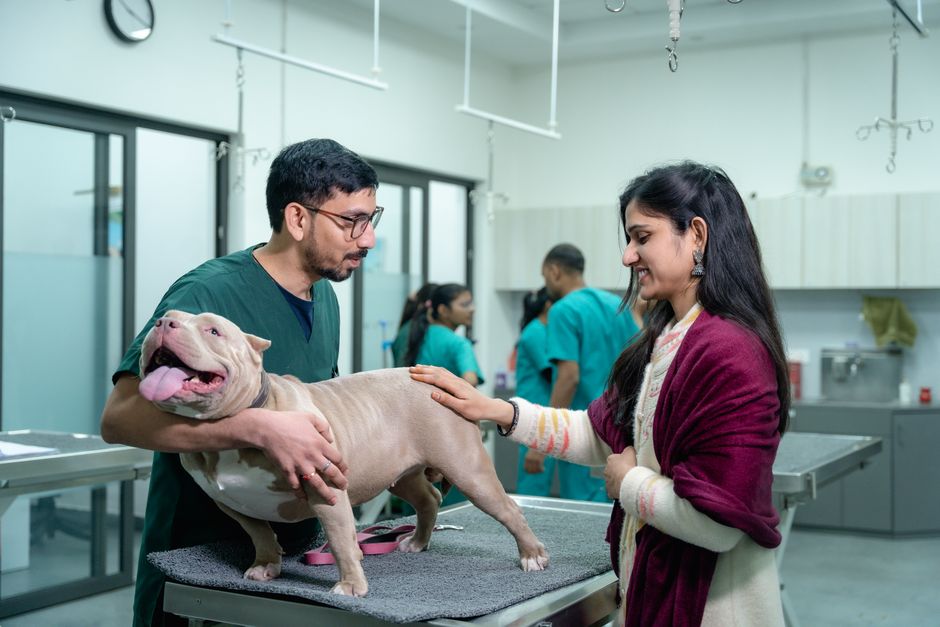
While imaging provides vital clues, a definitive cancer diagnosis requires examining cells or tissue samples. Our team uses biopsy and cytology services to collect samples from masses, lymph nodes, or affected organs. Cytology involves analyzing a small sample of cells, often obtained with a fine needle, while biopsy involves removing a larger tissue section for in-depth examination. These procedures help us determine if a growth is benign or malignant and, in many cases, identify the specific type of cancer. Having an accurate diagnosis is crucial, as it guides treatment recommendations and helps predict how the cancer may behave.
Molecular Analysis and DNA Sequencing: Unlocking Precision Medicine
One of the most exciting advances in veterinary oncology is the use of molecular diagnostics. At Veterinary Cancer Health, we offer DNA sequencing and molecular analysis to assess the genetic makeup of a pet’s tumor. This technology can reveal mutations that drive cancer growth, helping us select targeted therapies that are more likely to be effective. In addition, molecular testing may uncover markers that predict how a tumor will respond to specific drugs or indicate whether additional treatments, such as immunotherapy, might be beneficial. These innovations mean your dog or cat’s treatment plan can be customized with greater precision than ever before.
What Happens After Diagnosis? Staging and Personalized Treatment Planning
Once a diagnosis is confirmed, the next step is to determine the stage of the cancer—that is, how far it has spread. Staging may involve additional imaging, tissue sampling, or bloodwork to evaluate whether cancer cells have moved to lymph nodes or distant organs. This information is critical, as it shapes the recommendations for therapy and helps set realistic expectations for prognosis.
Our veterinarians work closely with you to explain the findings and discuss the full range of treatment options. These may include chemotherapy, targeted therapy, immunotherapy, or advanced procedures such as electrochemotherapy. The ultimate goal is to match the specific characteristics of your pet’s cancer with treatments that offer the best chance for success while prioritizing quality of life. We believe in transparency and compassion at every stage, ensuring you have the knowledge and support you need to make informed choices for your companion.
Innovations in Ongoing Cancer Monitoring
The journey does not end with an initial diagnosis and treatment. Ongoing monitoring is essential to assess how your dog or cat is responding to therapy and to catch any signs of recurrence early. At Veterinary Cancer Health, we utilize regular recheck exams, bloodwork, and advanced imaging to monitor your pet’s progress. Adjustments to the treatment plan can be made based on these findings, helping to manage side effects, maintain comfort, and optimize outcomes.
Advancements like flow cytometry and immunohistochemistry enable us to track subtle changes in cancer cells, further refining our approach over time. Our commitment to ongoing monitoring ensures that your pet receives the highest standard of care throughout their cancer journey.
Steps Pet Owners Can Take at Home to Support Early Detection
While advanced diagnostics are the backbone of cancer care, pet owners play a vital role in early detection. Regularly examining your dog or cat for new lumps, changes in appetite, or shifts in behavior can catch problems before they become advanced. Maintaining routine veterinary check-ups ensures that any concerns are addressed promptly and provides an opportunity to discuss your pet’s risk factors, such as breed predisposition or environmental exposures.
Providing a balanced diet, managing your pet’s weight, and minimizing exposure to known carcinogens—like secondhand smoke or excessive sun—are strategies that may reduce cancer risk. Keep detailed records of any changes you notice, no matter how minor, and bring them to the attention of your veterinarian. Your observations, combined with our advanced diagnostic capabilities, give your pet the strongest defense against cancer.
When Should You Seek a Veterinary Oncology Specialist?
If your primary care veterinarian suspects cancer or finds a mass that requires further evaluation, referral to a veterinary oncology clinic is a critical next step. Signs that may prompt this referral include persistent swelling, non-healing sores, unexplained lameness, or abnormal lab results. Additionally, if your dog or cat’s symptoms are not improving with routine treatment or if you want a second opinion about the best way to proceed, seeking a specialist’s input can provide clarity and peace of mind.
At Veterinary Cancer Health, our team collaborates closely with general practice veterinarians throughout Coral Springs and the surrounding communities. We welcome new referrals and are committed to providing timely, thorough evaluations. If you are searching for a "cancer vet near me" or have questions about your pet’s diagnosis, our veterinary professionals are here to support you every step of the way.
Your Partner in Compassionate, Advanced Pet Cancer Care
Facing a cancer diagnosis in your dog or cat is never easy, but with today’s innovations in veterinary cancer diagnosis, there is real hope for earlier detection and more effective, personalized treatment. At Veterinary Cancer Health, located at 4101 Turtle Creek Drive, Coral Springs, FL 33067, our focus is always on combining leading-edge technology with genuine compassion for both you and your pet. If you are concerned about a possible cancer diagnosis, or if you need a specialty cancer vet near me, reach out to our team of oncology professionals for guidance.
To learn more about our comprehensive cancer diagnosis and staging services, or to discuss advanced biopsy and cytology options, please call us at (954) 459-28504 to schedule a consultation. Our veterinary oncology clinic is dedicated to helping Coral Springs pet owners navigate every step of the cancer journey with expertise and empathy. Together, we can ensure your dog or cat receives the very best care—when it matters most.
This blog is for informational purposes only and is not a substitute for professional veterinary advice. If you have concerns about your pet’s health, contact your veterinarian or a veterinary oncologist promptly.