.png)
Is That Lump on Your Dog or Cat Cancer?
.png)
Is That Lump on Your Dog or Cat Cancer? A Guide for Concerned Pet Owners
Discovering a new lump or bump on your dog or cat can be a worrying experience. As a pet owner, you naturally want to ensure your companion is healthy and comfortable. While not every lump is cancerous, some can indicate the presence of a tumor that requires prompt veterinary attention. At Veterinary Cancer Health, your specialty veterinary oncology clinic in Coral Springs, FL, we understand how unsettling this discovery can be. Our board-certified veterinary oncologist and dedicated team are here to provide advanced cancer diagnostics, compassionate guidance, and cutting-edge treatments for dogs and cats.
In this blog, we will walk you through how to identify whether a lump might be cause for concern, what steps to take next, and how our specialized care can help your pet. You will learn about the types of lumps that can develop, what signs to watch for, and how early intervention can make a critical difference in your pet’s outcome. We will also discuss our approach to cancer diagnosis and treatment, and when it’s time to reach out for expert help.
Recognizing the Signs: When Should You Worry About a Lump?
It’s not uncommon for dogs and cats to develop lumps as they age. Many growths are benign, such as fatty tumors or cysts, but others may require closer examination. Knowing what to look for can help you determine when to be concerned and seek professional advice.
Key signs that a lump may need veterinary evaluation include changes in size, rapid growth, irregular shape, and firm or fixed texture. Additionally, lumps that bleed, ulcerate, or cause discomfort to your pet are worth investigating. Sometimes, a growth that was once small and soft may suddenly become larger or change in consistency, which should prompt further assessment. Lumps located on the limbs, mouth, or in areas where your pet seems bothered are especially important to monitor.
If you notice any new mass, or if an existing lump begins to change, it’s always safer to consult your primary care veterinarian. They may recommend a referral to a veterinary oncology specialist, such as our team at Veterinary Cancer Health, if cancer is suspected or if the lump is unusual.
Understanding the Causes: What Do Lumps in Dogs and Cats Mean?
Lumps and bumps in pets can have a variety of causes. Some of the most common include benign fatty tumors (lipomas), cysts, abscesses, and warts. However, certain types of lumps represent tumors, which can be either benign or malignant (cancerous).
The risk of a lump being cancerous increases with certain factors, such as older age, rapid growth, ulceration, or involvement with surrounding tissues. In dogs, mast cell tumors, soft tissue sarcomas, and mammary tumors are among the more common malignant growths. In cats, lumps on the skin or under the skin can be due to injection site sarcomas, mammary tumors, or lymphoma. Genetics, environment, and even exposure to certain viruses or chemicals can influence cancer risk.
Because it can be impossible to determine the nature of a lump by appearance or touch alone, professional diagnostic testing is always necessary. At our Coral Springs oncology clinic, we offer a full range of advanced cancer diagnostics, including biopsy and cytology, DNA sequencing and molecular analysis, and state-of-the-art imaging such as ultrasound and CT scans.
The Diagnostic Journey: How Veterinary Oncology Evaluates Lumps
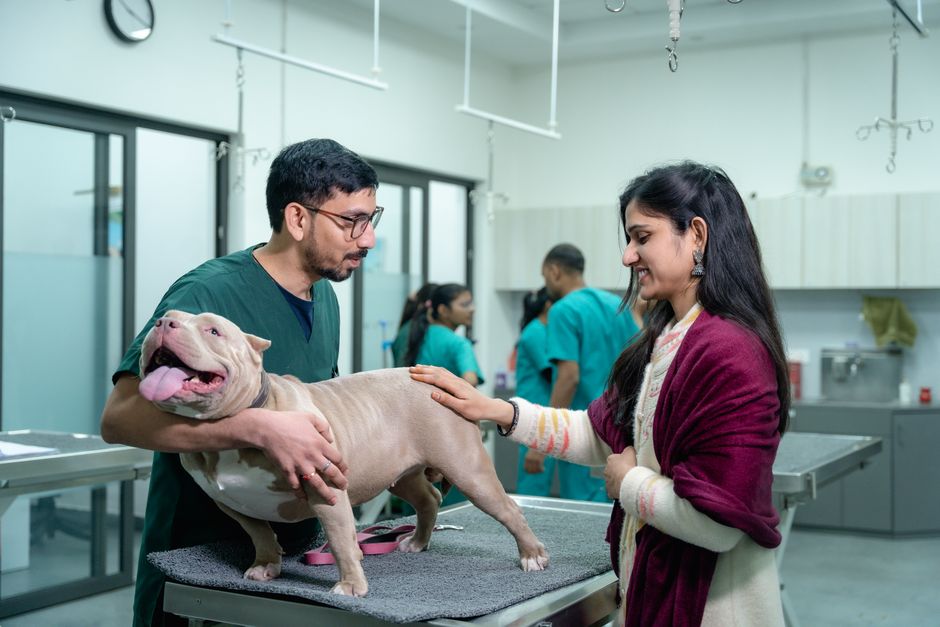
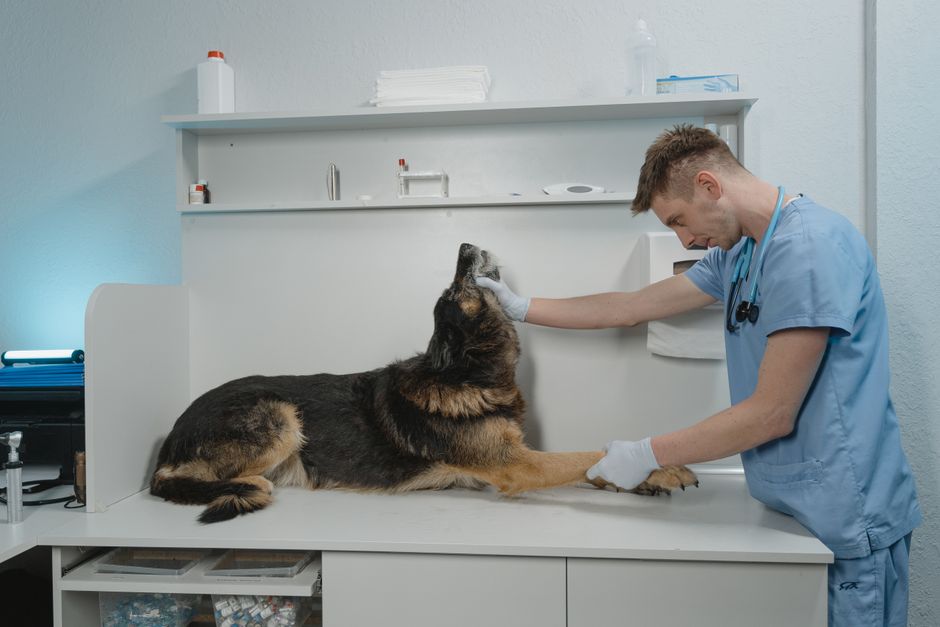
When a lump is brought to our attention, the first step is a thorough physical examination and detailed medical history. Our oncology team uses specialized diagnostic tools to accurately identify the nature of the mass and determine whether it is benign or malignant.
The diagnostic process typically begins with fine needle aspiration or a biopsy, where a small sample of cells or tissue is collected from the lump. This sample is then analyzed under a microscope to determine cell type and behavior. In some cases, advanced testing such as flow cytometry or molecular profiling can provide additional information about the tumor’s characteristics and potential behavior. This level of detail helps us create a highly tailored treatment plan for your dog or cat.
If cancer is diagnosed, further staging may be recommended to assess whether the disease has spread to other areas of the body. Staging often involves radiographs (X-rays), ultrasound, or CT scans to evaluate the chest, abdomen, and lymph nodes. Our clinic provides comprehensive cancer diagnosis and staging services to ensure your pet receives the most accurate and timely care.
Treatment Options for Cancer in Dogs and Cats
If your pet’s lump is found to be cancerous, rest assured that advances in veterinary oncology have made a variety of effective treatments available. The right approach depends on the type of cancer, its location, stage, and your pet’s overall health.
Common cancer treatments for dogs and cats include surgery to remove the tumor, chemotherapy to target cancer cells throughout the body, and targeted therapies that focus on specific cancer markers. Some pets may benefit from immunotherapy, which harnesses the body’s own immune system to fight cancer. Others may be candidates for electrochemotherapy, a cutting-edge technique that enhances chemotherapy effectiveness using electrical pulses.
Our chemotherapy and medical treatments are designed to minimize side effects and maintain your pet’s quality of life. Throughout care, we closely monitor response to treatment and make adjustments as needed to provide the best possible outcome. We believe in open communication with pet owners, explaining all options and respecting your goals for your pet’s care.
Caring for Your Pet at Home: What You Can Do
While professional diagnosis and treatment are essential, there are steps you can take at home to support your pet’s health. Regularly check your dog or cat for new lumps or bumps, and keep records of their size, shape, and location. Monitoring your pet’s appetite, energy level, and behavior can also provide early clues if something is amiss.
If your pet has been diagnosed with cancer, providing a comfortable, low-stress environment and following your oncology team’s recommendations for medication, nutrition, and activity level is important. For some pets, ongoing monitoring with recheck exams and bloodwork is crucial for tracking progress and catching any changes early.
Remember, timely veterinary intervention offers the best chance for successful treatment. Delaying evaluation can allow a malignant tumor to progress, making treatment more challenging.
When to Seek Veterinary Oncology Care
If you discover a new lump or bump on your dog or cat, or notice changes in an existing mass, it’s important to act promptly. Early veterinary evaluation provides peace of mind and, if cancer is present, enables the most effective treatment options.
You should seek veterinary care if you observe rapid growth of a lump, changes in its appearance, bleeding, ulceration, signs of pain, or if your pet’s overall health seems affected. Your primary care veterinarian is a valuable first resource; however, if cancer is suspected or you want a second opinion, our oncology-focused team at Veterinary Cancer Health is here to help. We specialize in advanced diagnostics, individualized treatment planning, and supporting your pet and family every step of the way.
For those looking for a "cancer vet near me," choosing a board-certified specialty clinic like ours ensures your pet receives expert, compassionate care tailored to their unique needs.
Advanced Cancer Care in Coral Springs and Beyond
At Veterinary Cancer Health, we are dedicated to providing the highest standard of cancer care for dogs and cats in Coral Springs, FL and surrounding communities. Our veterinary oncology team understands the emotional impact of a cancer diagnosis, and we are committed to supporting you and your pet with empathy, expertise, and clear communication.
If you have questions about a lump on your dog or cat, or would like to schedule a consultation, please contact us at (954) 459-28504 or visit our clinic at 4101 Turtle Creek Drive, Coral Springs, FL 33067. Our second opinions and case reviews service is available for those seeking additional guidance or reassurance.
When searching for a cancer vet near me, know that our team is ready to partner with you and your family veterinarian to deliver the most advanced, compassionate cancer care available.
If you notice a new lump or bump on your pet, do not wait. Early evaluation and access to specialty oncology services can make all the difference. Reach out to Veterinary Cancer Health today to ensure your pet receives the care, comfort, and hope they deserve.