.png)
Understanding Chemotherapy for Dogs and Cats With Cancer


Understanding Chemotherapy for Dogs and Cats With Cancer
If your dog or cat has recently been diagnosed with cancer, you are likely facing a whirlwind of emotions and questions. One of the most common topics pet owners in Coral Springs and the surrounding communities ask the team at Veterinary Cancer Health about is chemotherapy: what it involves, how it affects dogs and cats, and whether it is the right choice for their beloved companion. Understanding chemotherapy for dogs and cats with cancer can help you make informed, compassionate decisions about your pet’s care and quality of life.
At Veterinary Cancer Health, located at 4101 Turtle Creek Drive, Coral Springs, FL 33067, our veterinary oncology team focuses exclusively on advanced cancer care for dogs and cats. We are dedicated to providing personalized treatment options, including chemotherapy, that prioritize both longevity and comfort for your pet. In this article, we will walk you through the basics of veterinary chemotherapy, how side effects are managed, what to expect during treatment, and how supportive care can make a difference for your dog or cat.
Recognizing When Chemotherapy May Be Needed
Cancer in pets can manifest in many ways, and early detection is often essential for the best possible outcomes. If your dog or cat has been diagnosed with cancer by your primary care veterinarian, or if you have noticed unusual signs at home, understanding when chemotherapy may be recommended is an important first step.
Symptoms that may prompt further investigation include persistent lumps or swellings, unexplained weight loss, loss of appetite, changes in energy level, difficulty breathing or swallowing, non-healing sores, or sudden changes in behavior. Sometimes, signs can be subtle, such as a pet seeming less interested in play or becoming more withdrawn. If your veterinarian has performed diagnostic tests and identified cancer, they may refer you to a specialty oncology clinic like Veterinary Cancer Health for advanced options such as chemotherapy services for dogs and cats with cancer.
Understanding Cancer and Why Chemotherapy Is Used
Cancer develops when abnormal cells grow and multiply uncontrollably within the body. In dogs and cats, the most common cancers include lymphoma, mast cell tumors, osteosarcoma, and various carcinomas or sarcomas. Each type of cancer behaves differently, so treatment recommendations will depend on the specific diagnosis, stage, and your pet’s overall health.
Chemotherapy is a cornerstone of veterinary oncology because it can target cancer cells throughout the body, helping to control disease that may not be confined to a single area. The goal may be to achieve remission, slow tumor progression, relieve symptoms, or improve quality of life. Veterinary oncologists use chemotherapy in different ways, sometimes in combination with other advanced treatments such as targeted therapy or immunotherapy, depending on your pet’s individual needs.
What to Expect When Your Pet Receives Chemotherapy
Personalized Treatment Planning
Every chemotherapy plan at Veterinary Cancer Health is customized to your pet’s specific type of cancer, stage, and health status. Our veterinary oncology team begins by conducting a thorough diagnostic workup, which may include advanced cancer diagnostics, blood tests, imaging, and sometimes DNA sequencing and molecular analysis. This comprehensive evaluation ensures the treatment approach is tailored to your dog or cat’s unique situation.
Administering Chemotherapy Safely
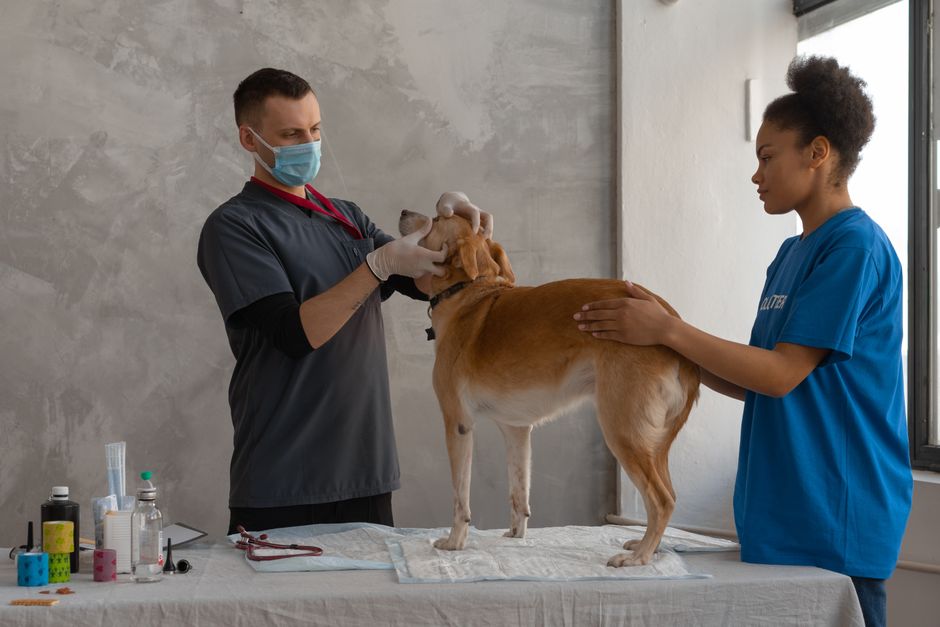
Chemotherapy for dogs and cats is usually administered by injection at the clinic, although certain medications may be given orally at home under veterinary supervision. Treatments are typically spaced out over several weeks or months, with regular monitoring to assess your pet’s response and overall well-being. Veterinary professionals take every precaution to minimize stress and discomfort for your pet during each visit.
Managing Side Effects
One of the most common concerns among pet owners is the potential for side effects. While chemotherapy drugs can affect both cancerous and healthy cells, veterinary protocols are specifically designed to be less aggressive than those used in human medicine. Most dogs and cats tolerate chemotherapy much better than people expect. Common side effects, when they do occur, may include mild decreases in appetite, low energy for a day or two after treatment, or mild gastrointestinal upset. Severe side effects are rare but can include more pronounced digestive upset or lowered immune function.
Our veterinary oncology team is highly experienced in managing side effects and will provide you with guidance on what to watch for at home. Medications to control nausea, stimulate appetite, or address other symptoms are often prescribed as part of the overall care plan. If your pet does experience any side effects, adjustments can be made to the chemotherapy protocol as needed to preserve quality of life.
Supportive Care and Monitoring During Chemotherapy
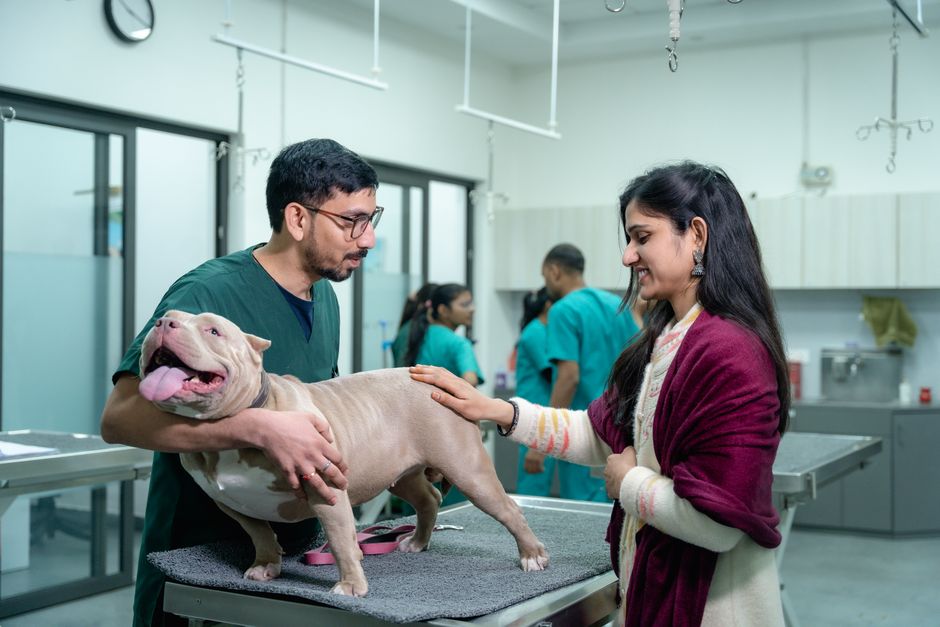
Ongoing support is a crucial part of cancer care for dogs and cats. In addition to chemotherapy, supportive treatments may include pain management, nutritional support, and ongoing monitoring to ensure your pet remains as comfortable as possible. Our approach at Veterinary Cancer Health is centered on compassionate, whole-patient care. We closely track your pet’s progress with recheck exams and bloodwork, maintain open communication with you, and adjust treatment plans as needed to address any changes in your pet’s condition.
Quality of life is always at the forefront of our recommendations. If at any point the risks of continuing a particular therapy outweigh the benefits, we will discuss alternative options, including palliative and end-of-life care, to ensure your pet’s comfort and dignity.
What You Can Do at Home to Support Your Pet
Caring for a pet undergoing chemotherapy involves providing a calm, supportive home environment and monitoring for any changes in behavior, appetite, or energy. Encourage gentle activity as tolerated, offer favorite foods if appetite is reduced, and keep fresh water available at all times. It is important to follow your veterinary oncology team’s instructions regarding medication administration, special diets, or any activity restrictions.
If your dog or cat experiences vomiting, diarrhea, loss of appetite for more than 24 hours, persistent lethargy, or any signs of pain, contact your oncology clinic promptly. Early intervention can help manage side effects and prevent complications. Keep a log of any changes you notice, as this information can help your veterinary team adjust treatment and provide the best possible care.
When to Seek Veterinary Care
During chemotherapy, regular check-ins with your veterinary oncology team are vital for safe and effective treatment. You should contact your veterinarian if you notice any unusual symptoms, sudden changes in your pet’s condition, or if you have concerns about side effects. Immediate attention is warranted if your pet has uncontrolled vomiting or diarrhea, difficulty breathing, signs of infection such as fever or severe lethargy, or any sudden collapse.
At Veterinary Cancer Health, our team is here to support you and your pet through every stage of the cancer journey. We work closely with your referring veterinarian to ensure continuity of care and provide clear guidance on when to reach out between scheduled visits.
The Importance of Specialty Oncology Care for Your Pet
Choosing a dedicated veterinary oncology clinic ensures your dog or cat benefits from the most advanced diagnostic and treatment options available in modern veterinary medicine. Our team at Veterinary Cancer Health focuses exclusively on cancer care for dogs and cats, allowing us to provide expertise in protocols such as chemotherapy and medical treatments, as well as the latest in targeted therapies, immunotherapy, and supportive care. We collaborate with pet owners and primary care veterinarians throughout Coral Springs and the surrounding areas to deliver compassionate, individualized treatment plans.
Take the Next Step: Support and Guidance for Your Pet
Facing a cancer diagnosis in your dog or cat can feel overwhelming, but you do not have to navigate it alone. The veterinary oncology team at Veterinary Cancer Health is here to answer your questions, guide you through treatment options, and ensure your pet receives the best possible care tailored to their unique needs. If you are searching for a specialty oncology vet near me, our clinic in Coral Springs is dedicated to providing advanced and compassionate cancer care for dogs and cats throughout the region.
To schedule a consultation or learn more about how chemotherapy may help your pet, contact our veterinary oncology professionals at (954) 459-28504 or visit us at 4101 Turtle Creek Drive, Coral Springs, FL 33067. For additional information on our customized cancer therapy services, explore our page on chemotherapy and medical treatments. Your pet’s comfort, dignity, and wellbeing are always our highest priorities.