.png)
Chemotherapy Side Effects in Pets: What Coral Springs Owners Should Know
.png)

Chemotherapy Side Effects in Pets: What Coral Springs Owners Should Know
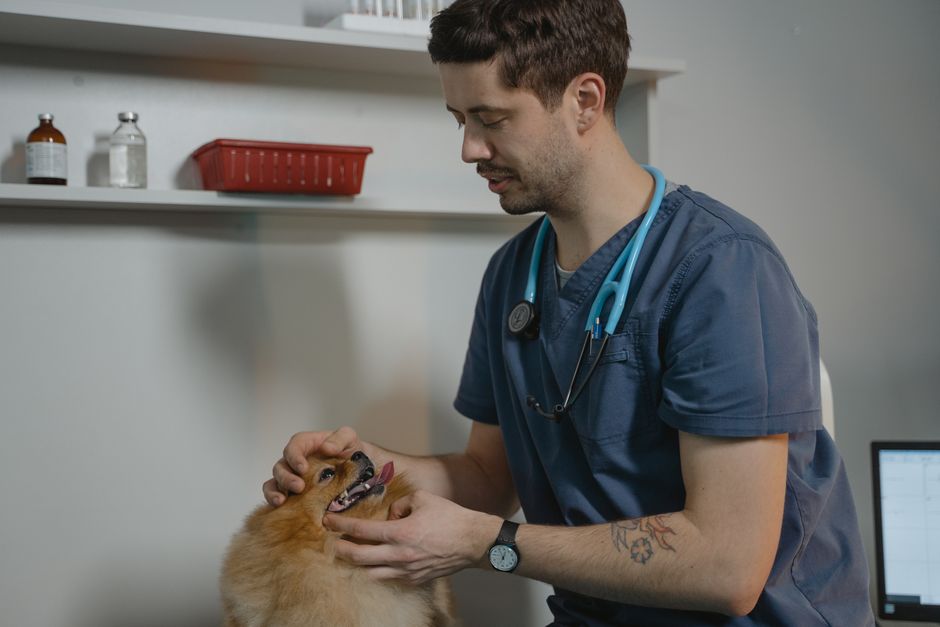
Facing a cancer diagnosis for your dog or cat can be overwhelming, and many pet owners wonder how their beloved companion might react to chemotherapy. At Veterinary Cancer Health, located at 4101 Turtle Creek Drive, Coral Springs, FL 33067, our veterinary oncology team provides advanced, compassionate cancer care for pets throughout Coral Springs and nearby communities. We understand how important it is for you to make informed decisions about your pet’s treatment. This blog will guide you through the most common chemotherapy side effects in pets, how these effects are monitored and managed, and the supportive approach our veterinary professionals use to keep pets comfortable throughout their cancer journey. If you are searching for answers about what to expect with pet chemotherapy in Coral Springs, you are in the right place.
Recognizing Chemotherapy Side Effects in Cats and Dogs
Chemotherapy can be a vital component of cancer treatment for both dogs and cats, but understanding how your pet might respond is crucial for their ongoing wellbeing. While most pets tolerate chemotherapy better than people expect, side effects can still occur. The way your pet reacts can depend on the type of cancer, the specific drugs used, and their individual health status.
Key symptoms to watch for include mild gastrointestinal issues such as decreased appetite, occasional vomiting, or softer stools; some pets may show transient tiredness or lower energy levels a day or two after treatment. In more rare instances, side effects can involve a temporary drop in white blood cell counts, which may make your pet more susceptible to infections for a short period. Less commonly, you might notice hair thinning or skin changes, though this is more typical in certain dog breeds than in most cats.
It is important to remember that severe side effects are much less common in pets than in humans undergoing chemotherapy. Most pets continue to enjoy their normal routines, meals, and playtime with only minor disruptions. If you notice unusual lethargy, persistent vomiting or diarrhea, refusal to eat for more than a day, or any sudden changes in your pet’s behavior, reach out to a veterinary oncology professional right away for guidance.
Why Do Chemotherapy Side Effects Occur in Pets?
Understanding the reasons behind chemotherapy side effects can help you feel more confident about your pet’s treatment plan. Chemotherapy drugs are designed to target rapidly dividing cancer cells, but they can also affect some healthy cells that naturally divide quickly within the body. These include cells lining the digestive tract, those in the bone marrow that produce blood cells, and, to a lesser extent, hair follicles.
In dogs and cats, the most commonly affected areas are the gastrointestinal tract and the bone marrow. This is why your pet might experience temporary changes in appetite, mild digestive upset, or, in rare cases, a vulnerability to minor infections. Unlike human oncology protocols, veterinary oncology typically uses lower doses and schedules treatments to minimize the risk and severity of side effects, always prioritizing quality of life.
Certain breeds and individual pets may be more sensitive to specific chemotherapy agents. For example, herding breeds may have genetic sensitivities, making pre-treatment testing and careful drug selection especially important. Our veterinary team at Veterinary Cancer Health always customizes each protocol to your pet’s breed, species, and unique needs, ensuring the safest and most effective approach.
How Veterinary Cancer Health Manages Chemotherapy Side Effects
Our commitment at Veterinary Cancer Health is to keep your pet as comfortable and happy as possible throughout their cancer journey. We take a proactive, individualized approach to managing and preventing chemotherapy side effects.
Each pet receives a customized treatment plan based on their diagnosis, overall health, and response to therapy. Ongoing monitoring is a central part of our care; recheck exams and regular blood work allow us to detect even subtle changes early. When side effects do occur, our oncology team is prepared with supportive care strategies. For gastrointestinal upset, we may recommend dietary adjustments, anti-nausea medications, or temporary appetite boosters. If there is a risk of infection due to low white blood cell counts, we provide guidance on minimizing exposure and may prescribe preventive antibiotics when necessary.
Pain management is also a priority; if your pet experiences discomfort related to cancer or its treatment, we offer advanced options to relieve pain and maintain quality of life. Collaboration with your primary veterinarian ensures a seamless care experience, allowing us to address new concerns promptly and adjust treatment as your pet’s needs change.
For more details about how chemotherapy is administered and what to expect, visit our page on chemotherapy services for pets. To learn about ongoing support and monitoring, you can explore our information on ongoing cancer care and monitoring for pets, including side effect management.
Home Care Tips and Prevention of Severe Side Effects
While chemotherapy side effects in pets are often mild, your role at home is essential in supporting your pet’s comfort and recovery. Simple steps can make a significant difference.
Monitor your pet closely for any changes in behavior, appetite, or energy level. Ensure they have access to fresh water and a palatable, easily digestible diet if recommended by your veterinary oncologist. If your pet seems tired after a treatment, allow them extra rest and limit strenuous activity for a day or two. Promptly clean up any vomit or diarrhea to maintain hygiene and reduce the risk of secondary infections.
When it comes to infection prevention, especially if your pet’s white blood cell count is low, keep their living environment clean, avoid contact with other sick animals, and follow any specific instructions provided by your oncology team. If medications are prescribed for nausea or pain, administer them exactly as directed.
Do not attempt to adjust chemotherapy doses or give over-the-counter remedies without consulting your veterinary professionals. Open communication with your care team will help identify issues early and prevent minor side effects from becoming more serious.
When to Contact Your Veterinary Oncology Team
Knowing when to seek professional help can make all the difference in your pet’s cancer treatment journey. While mild side effects are expected and usually short-lived, certain symptoms require immediate attention. These include persistent vomiting or diarrhea lasting more than a day, refusal to eat or drink for more than 24 hours, signs of dehydration such as sunken eyes or dry gums, unusual bleeding or bruising, high fever, or severe lethargy.
If you observe any of these signs, contact our veterinary team at Veterinary Cancer Health right away. We are equipped to adjust your pet’s treatment plan, provide supportive care, and address any complications promptly. Timely intervention is key to maintaining quality of life and ensuring the best possible outcome.
If you are unsure whether your pet’s symptoms are related to chemotherapy or something else, it is always safer to reach out for professional guidance. Our treatment plan adjustments for individualized pet cancer care ensure your pet receives the right support, exactly when it is needed.
Compassionate Cancer Care for Pets in Coral Springs
Navigating chemotherapy side effects in pets can feel daunting, but with the right veterinary oncology support, most pets enjoy a high quality of life throughout cancer treatment. At Veterinary Cancer Health, we are dedicated to guiding you and your pet every step of the way, providing advanced diagnostics, personalized treatment plans, and compassionate monitoring here in Coral Springs and surrounding communities.
If you are searching for a specialty vet near me who understands the unique needs of cats and dogs with cancer, know that our veterinary professionals are here to help. From the first diagnosis through every stage of care, we prioritize comfort, communication, and wellbeing. If you have concerns about chemotherapy side effects or want to learn more about our approach, please call us at (119) 545-9285 or visit us at 4101 Turtle Creek Drive, Coral Springs, FL 33067.
For further information about chemotherapy and medical treatments for pet cancer or to explore our ongoing care resources, you are welcome to visit our website. Together, we can help your pet face cancer with dignity, comfort, and hope.
This blog is for informational purposes only and does not replace professional veterinary advice. Always consult your veterinary oncologist for specific questions about your pet’s health and treatment.