.png)
Understanding Chemotherapy for Pet Cancer in Coral Springs
.png)
Understanding Chemotherapy for Pet Cancer in Coral Springs
Hearing that your beloved dog or cat has been diagnosed with cancer is one of the most difficult moments any pet owner can face. If you are searching for answers and compassionate support in Coral Springs and surrounding communities, you are not alone. At Veterinary Cancer Health, located at 4101 Turtle Creek Drive, Coral Springs, FL 33067, our board-certified veterinary medical oncologist and team are dedicated to providing advanced, individualized cancer care for dogs and cats. In this guide, we’ll help you understand what chemotherapy for pet cancer really means, how it works, what you can expect during treatment, and how our specialized oncology services can help improve your pet’s comfort and quality of life at every step.
Whether your veterinarian has recommended a referral to a veterinary oncologist, or you are seeking a second opinion, this article will address common questions and concerns about chemotherapy for pets. We’ll walk you through the signs of cancer in dogs and cats, discuss why chemotherapy is used, explain what treatment looks like in our state-of-the-art Coral Springs clinic, and share what you can do at home to support your pet. For those wanting more in-depth information on specific treatments, you can explore our custom veterinary chemotherapy and medical treatments for pets with cancer.
Recognizing Cancer in Dogs and Cats: What Pet Owners Should Watch For
Cancer can affect dogs and cats of all breeds, ages, and backgrounds. Knowing the earliest signs can help you seek care promptly, which can make a meaningful difference in your pet’s prognosis and comfort. Some of the most common warning signs include the sudden development of lumps or bumps under your pet’s skin, wounds that do not heal, unexplained weight loss, loss of appetite, or ongoing vomiting and diarrhea. Additional symptoms to be aware of are persistent lameness, difficulty breathing, bleeding from the mouth or nose, or a noticeable decrease in energy and playfulness.
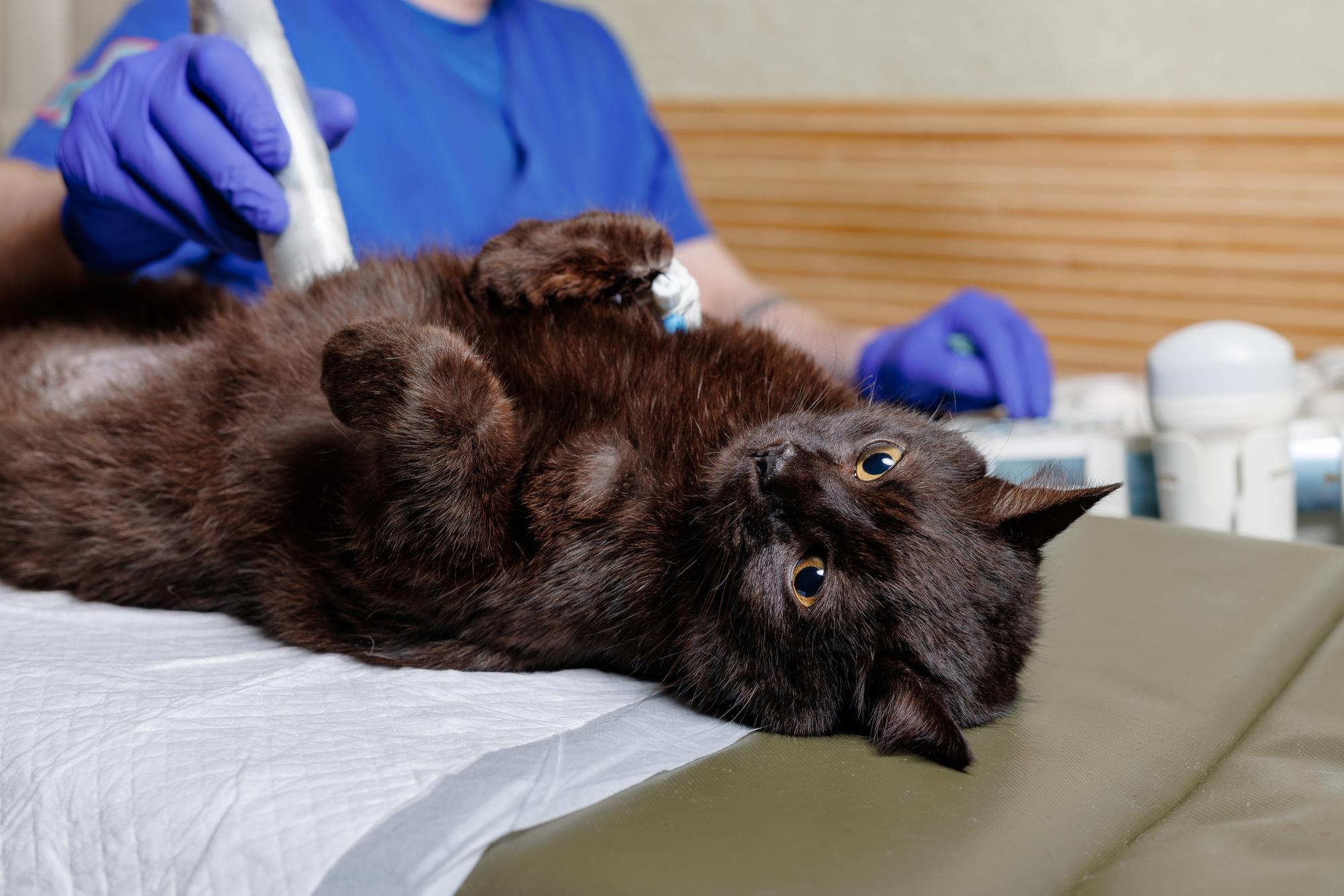
It’s important to remember that these symptoms can be caused by many different conditions, not just cancer. However, if you notice changes in your pet’s appearance, habits, or overall health—especially if they persist or worsen—it’s time to consult your primary care veterinarian. Early diagnosis, often involving advanced imaging and biopsy, is critical for identifying cancer and determining the best treatment options. At Veterinary Cancer Health, our team offers comprehensive cancer diagnosis and staging services to help pinpoint the type, location, and extent of your pet’s cancer, ensuring that every treatment plan is tailored to your pet’s unique needs.
Why Does Cancer Happen in Pets? Understanding the Causes
Cancer in pets, much like in people, occurs when abnormal cells grow uncontrollably within the body. These cells may form solid tumors or circulate in the bloodstream as with leukemia or lymphoma. The development of cancer is complex and often involves a combination of genetic, environmental, and age-related factors. Certain breeds can be more susceptible to specific types of cancer. For example, golden retrievers are more likely to develop lymphoma, while boxers are prone to mast cell tumors. However, cancer can develop in any pet—purebred or mixed-breed, young or old.
Exposure to environmental toxins, chronic inflammation, hormonal influences, and even viral infections can also play a role in cancer development. In many cases, the exact cause remains unknown. What is clear, however, is that advances in veterinary medicine, including earlier detection and new therapies, are giving pet owners more options and greater hope than ever before.
How Chemotherapy Works for Pets: What to Expect from Treatment
If your dog or cat has been diagnosed with cancer, your primary care veterinarian may refer you to a board-certified veterinary oncologist for specialized care. Chemotherapy is one of the most common and effective treatments for a wide range of pet cancers, especially those that are systemic or have spread beyond their original location. But what does chemotherapy actually mean for your pet?
Unlike human oncology, veterinary chemotherapy is focused on maximizing your pet’s quality of life—minimizing side effects while still effectively targeting cancer cells. Chemotherapy may involve oral medications, intravenous infusions, or injectable drugs, depending on your pet’s diagnosis and the specific type of cancer. At Veterinary Cancer Health, our veterinary chemotherapy services for dogs and cats are customized for each patient, using the latest protocols and medications.
What Is the Process Like?
The chemotherapy process begins with a thorough evaluation, including staging the cancer, reviewing lab work, and discussing your pet’s overall health history. Treatment sessions may occur weekly, biweekly, or at other intervals, depending on the medication used and your pet’s response. Most dogs and cats handle chemotherapy well, with side effects that are typically mild and short-lived. Common side effects to monitor for include brief episodes of vomiting or diarrhea, decreased appetite, or mild fatigue. Hair loss is uncommon in most dogs and cats, though some breeds may experience patchy fur loss.
Throughout treatment, our veterinary oncology team closely monitors your pet’s bloodwork and organ function, making adjustments as needed for safety and comfort. We prioritize your pet’s well-being at every stage, using advanced diagnostics and regular recheck exams and bloodwork services to ensure the best possible outcome.
Advanced Cancer Care Options: Beyond Standard Chemotherapy
Veterinary oncology has evolved rapidly, offering pet owners access to a range of sophisticated therapies beyond traditional chemotherapy. For some cancers, targeted therapy options can deliver highly specific treatment that attacks cancer cells while sparing healthy tissues. Immunotherapy may harness your pet’s own immune system to fight cancer more effectively; our clinic provides immunotherapy treatments for canine and feline cancer patients when appropriate. In certain cases, electrochemotherapy, which combines chemotherapy drugs with electrical pulses to enhance drug uptake by tumor cells, provides new hope for advanced or resistant cancers.
Choosing the right treatment depends on many factors, including your pet’s age, overall health, cancer type, and stage of disease. Our veterinary oncologist will work closely with you and your primary care veterinarian to develop a customized cancer treatment plan that fits your pet’s unique situation, always with a focus on comfort and quality of life.
Supporting Your Pet at Home During Chemotherapy
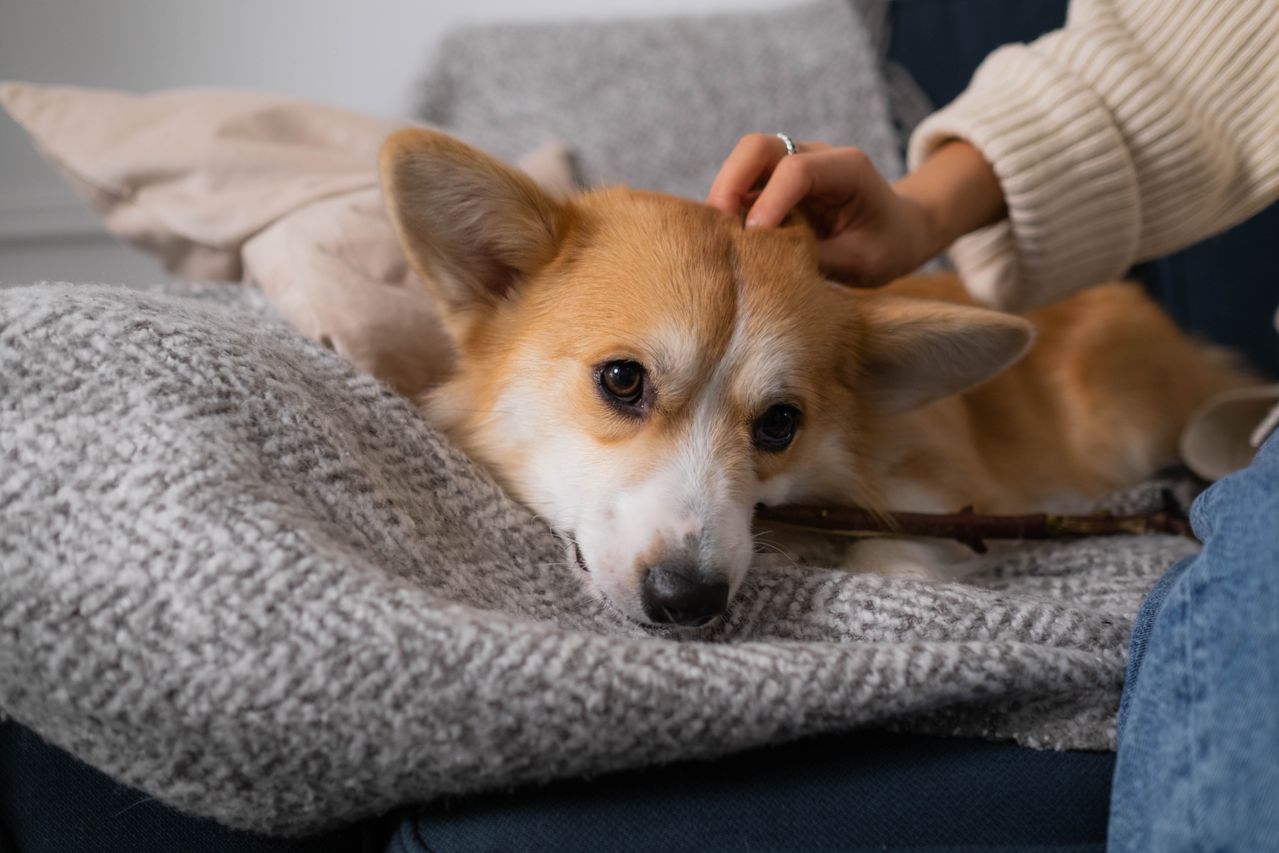
Caring for a dog or cat undergoing chemotherapy can feel overwhelming, but there are many ways to help your pet feel comfortable and maintain their happiness at home. Providing a quiet, familiar space for rest and recovery is essential. Encourage your pet to eat with favorite foods or gently warmed meals if their appetite decreases. Monitor them closely for any changes in behavior, appetite, bathroom habits, or energy level, and report any concerns to your oncology team promptly.
It is also important to follow your veterinarian’s instructions about medication administration, activity restrictions, and hygiene precautions. While pets do not experience the same degree of immune suppression as humans during chemotherapy, some extra care with litter boxes, waste cleanup, and limiting exposure to sick animals can help protect your pet. Stay in regular contact with your oncology team for guidance and reassurance. Many owners find that pets tolerate chemotherapy much better than expected and continue to enjoy walks, gentle playtime, and cuddles throughout their treatment journey.
When to Seek Veterinary Attention During Chemotherapy
Knowing when to seek help is crucial during cancer treatment. If your pet experiences persistent vomiting or diarrhea, severe lethargy, refusal to eat or drink for more than 24 hours, difficulty breathing, pale gums, or any sudden or dramatic change in condition, contact your oncology team immediately. These could be signs of a serious side effect or complication that requires prompt medical attention.
At Veterinary Cancer Health, we take every concern seriously and encourage you to reach out with any questions, whether you are noticing subtle changes or facing urgent problems. Regular follow-up visits, timely bloodwork, and open communication ensure that your pet’s treatment remains safe, effective, and as comfortable as possible.
How Our Veterinary Oncology Team in Coral Springs Supports You and Your Pet
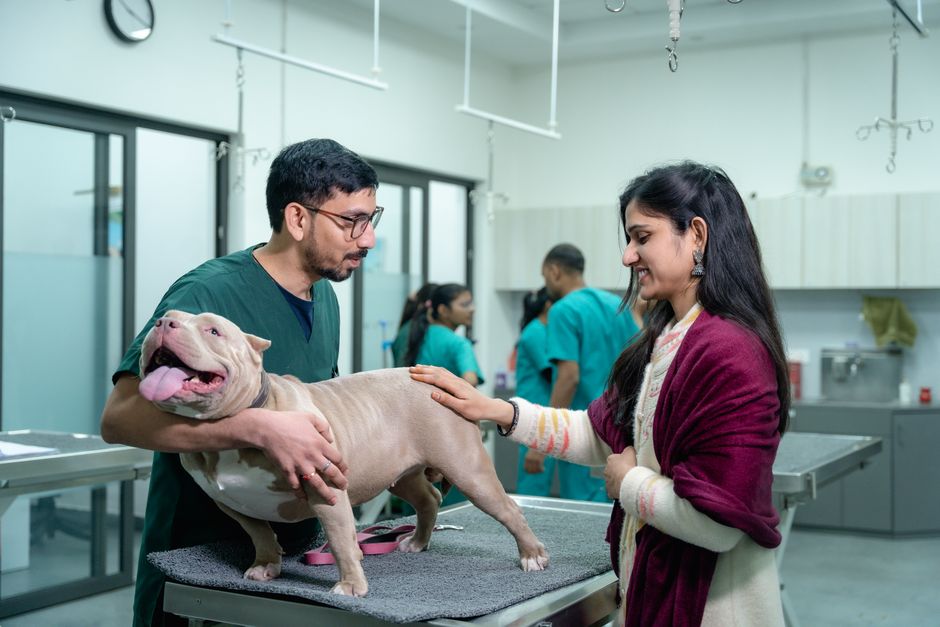
Choosing a veterinary oncology clinic is a deeply personal decision, and it is important to find a team that combines medical expertise with genuine compassion. At Veterinary Cancer Health, our board-certified veterinary medical oncologist and experienced support staff are dedicated exclusively to cancer care for dogs and cats. Our advanced facility in Coral Springs, FL offers the latest in diagnostics, targeted therapies, and supportive care, giving your pet every possible advantage in their fight against cancer.
We pride ourselves on taking the time to answer your questions, explain every aspect of your pet’s care, and provide emotional support. From the first diagnosis through ongoing monitoring and, when needed, compassionate end-of-life guidance, our veterinary team is with you every step of the way. We also coordinate closely with your primary care veterinarian to ensure seamless, continuous care for your pet.
If you are searching for a specialty oncology vet near me, know that our Coral Springs clinic is here to help you navigate your pet’s cancer journey with skill and compassion.
Take the Next Step: Compassionate Cancer Care for Your Dog or Cat
Facing a cancer diagnosis is never easy, but you do not have to do it alone. Veterinary Cancer Health in Coral Springs, FL is committed to providing the most advanced, compassionate cancer care for dogs and cats in our community and beyond. If you have questions about chemotherapy for pet cancer, want to learn more about veterinary chemotherapy services for dogs and cats, or are seeking a second opinion, our team of veterinary oncology professionals is ready to support you and your pet at every stage.
To schedule a consultation or speak with our veterinary oncology team, call (954) 459-28504. We welcome referrals and direct inquiries from pet owners, and we are honored to be your trusted resource for pet cancer care in Coral Springs and the surrounding area.
Your dog or cat deserves every chance at a comfortable, happy life. Let us help you make informed, compassionate decisions for your pet’s future—contact Veterinary Cancer Health today.
This article is intended for informational purposes only and does not replace professional veterinary advice. If your pet is experiencing symptoms of illness or you have concerns about cancer treatment, please consult your veterinarian or a veterinary oncologist directly.