.png)
Winter Activities for Dogs With Cancer in Coral Springs
.png)

Winter Activities for Dogs With Cancer in Coral Springs
Caring for a dog with cancer brings many questions, especially when it comes to keeping your beloved companion engaged and comfortable during treatment. In Coral Springs, where winter weather is mild, many pet owners wonder how to safely enjoy the season with their pets undergoing oncology care. At Veterinary Cancer Health, located at 4101 Turtle Creek Drive, Coral Springs, FL 33067, our team of veterinary oncology professionals understands your concerns and is dedicated to supporting your dog’s quality of life throughout their cancer journey. This blog will guide you through recognizing your pet’s needs, understanding how cancer and its treatments might affect them, exploring safe winter activities, and knowing when to seek specialized veterinary support. Whether you live in Coral Springs or the surrounding communities, our goal is to help you make the most of this winter with your dog while prioritizing their health and happiness.
Recognizing When Winter Activities Are Safe for Dogs With Cancer
Every dog’s cancer journey is unique, and some pets tolerate treatment with minimal discomfort while others may feel more fatigued or sensitive. Recognizing how your dog feels day-to-day is essential before planning activities. For dogs with cancer, symptoms that may influence activity choices include low energy, appetite changes, increased need for rest, or visible discomfort such as limping or reluctance to move. If your pet is currently receiving chemotherapy, you might notice increased sensitivity to temperature changes or a diminished immune response, making it important to avoid crowded spaces or exposure to sick animals.
Other signs that your dog may need a gentler approach this winter are coughing, difficulty breathing, decreased enthusiasm for favorite activities, or withdrawal from family interaction. Dogs often communicate their comfort level subtly, so changes in their normal behavior patterns can be early indicators that you should adjust your plans. Always remember that while staying active is important, rest and gentle engagement are just as vital during cancer treatment.
Understanding Cancer, Treatment Effects, and the South Florida Winter
The mild winter climate in Coral Springs and the surrounding areas offers unique advantages for dogs with cancer. Unlike colder northern regions, South Florida typically experiences comfortable temperatures in February, allowing for more flexibility with outdoor activities. However, cancer and its treatments can still affect your dog’s ability to enjoy the season.
Chemotherapy and other medical treatments can cause side effects such as fatigue, mild nausea, or increased sensitivity to sunlight. Certain cancers, such as those affecting the bones or lungs, might limit your dog’s mobility or breathing capacity, requiring you to tailor activities accordingly. Immunotherapy and targeted cancer therapies may also impact your pet’s stamina and resistance to infections, so avoiding high-traffic areas or unfamiliar dogs during walks is prudent.
The emotional impact of cancer on both pets and owners should not be underestimated. Providing familiar, enjoyable experiences can help maintain your dog’s sense of normalcy and emotional wellbeing. Our veterinary oncology team often recommends integrating gentle, positive activities into your daily routine, adjusting as needed based on your dog’s current health and energy level.
If you are curious about how your dog’s specific diagnosis or treatment plan might affect winter activities, our ongoing cancer care and monitoring services are designed to provide guidance tailored to your pet’s individual needs. Our veterinary professionals regularly assess each patient’s response to therapy and adjust recommendations to support both quality of life and safety.
Safe and Enjoyable Winter Activities for Dogs With Cancer
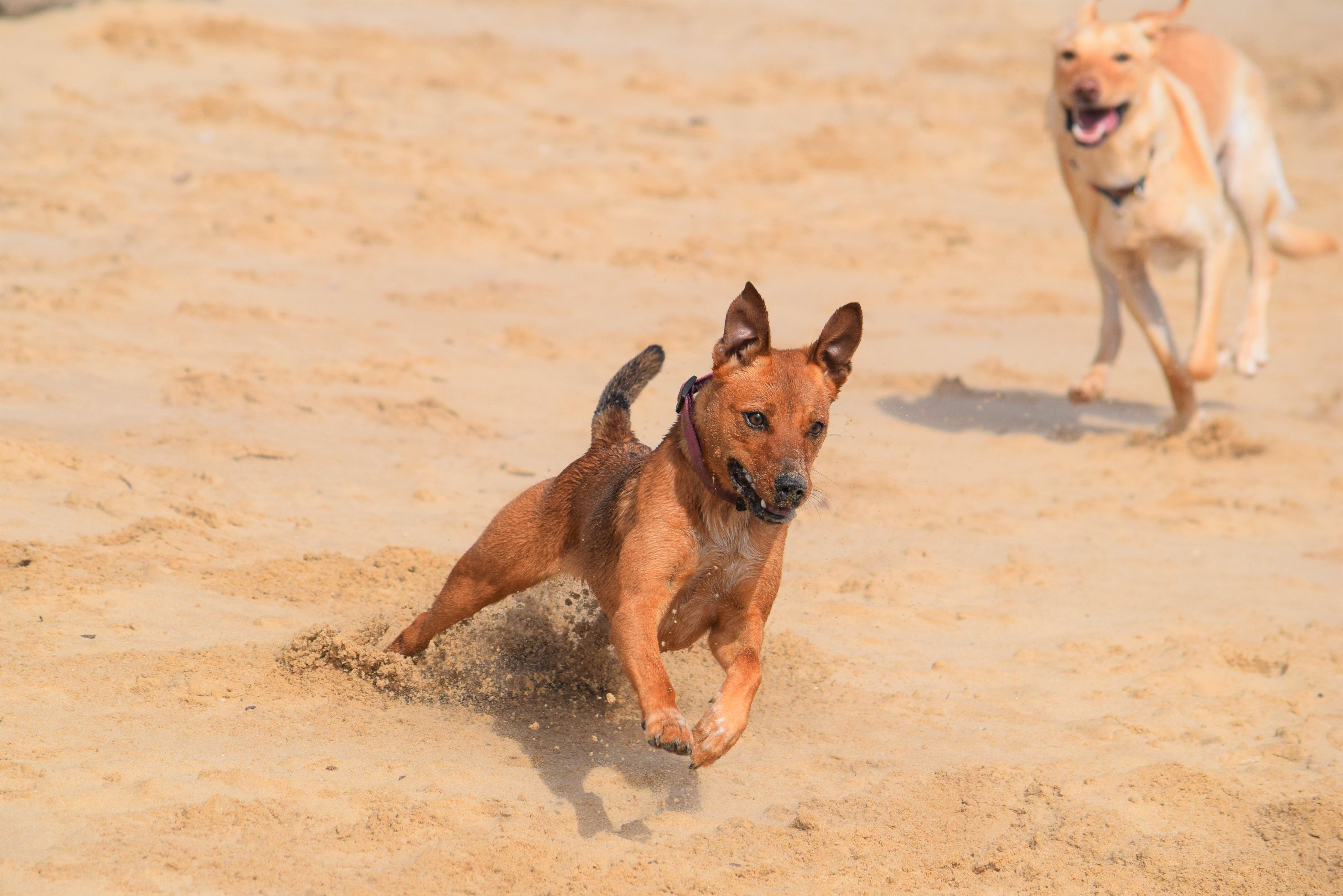
Supporting your dog’s physical and emotional health during cancer treatment often involves adapting familiar activities to fit their changing needs. In the mild Coral Springs winter, dogs can often enjoy short walks in quiet neighborhoods, gentle play sessions in a fenced backyard, or calm outings to local parks during off-peak hours. For many pets, the simple pleasure of sniffing around the yard or accompanying you on a leisurely stroll offers valuable mental stimulation without overtaxing their bodies.
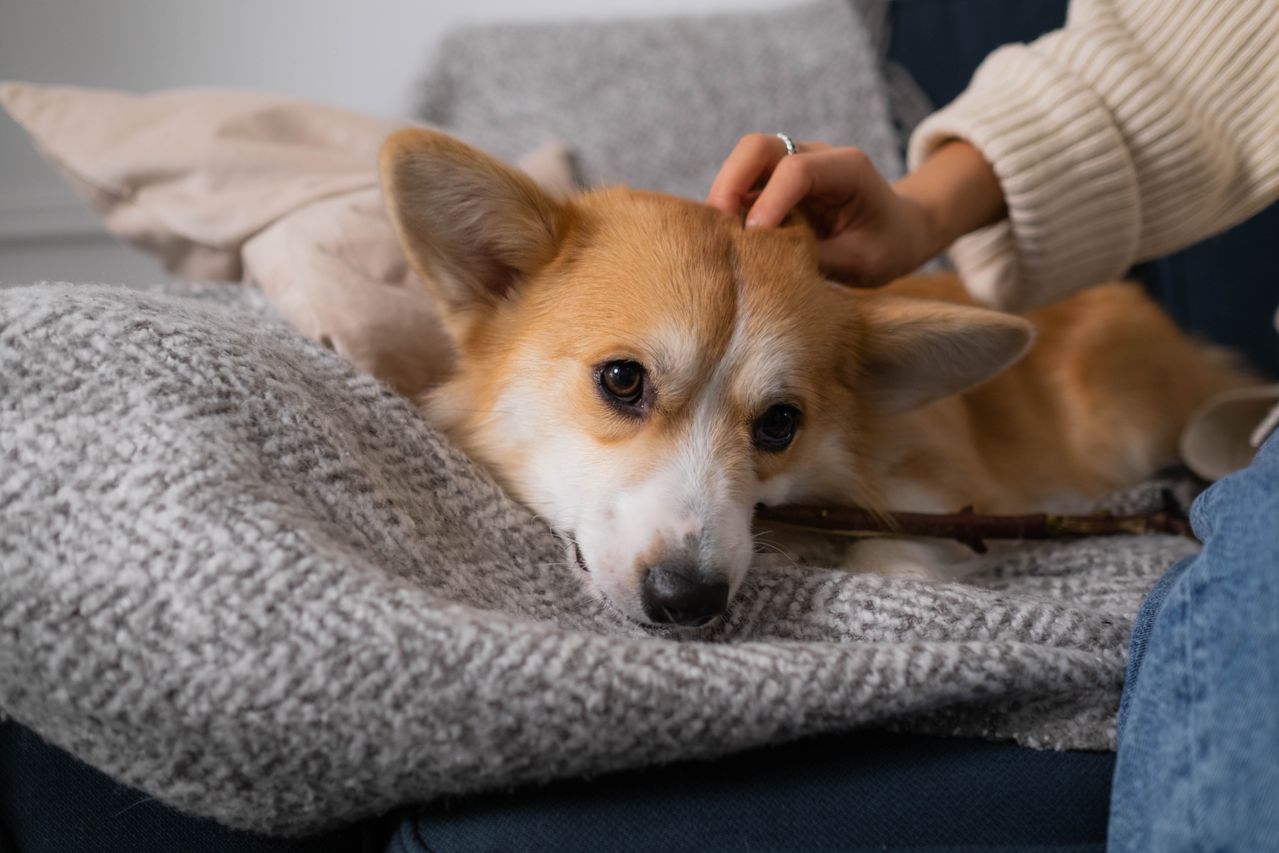
If your dog enjoys social interaction but is at higher risk for infection due to chemotherapy or immunosuppressive treatments, consider arranging playtime with a healthy, familiar dog friend rather than visiting busy dog parks. At home, puzzle toys, gentle indoor games, or supervised sunbathing on a patio can provide comfort and engagement. For dogs experiencing pain or weakness, activities might include being brushed, massaged, or simply spending extra time resting beside family members.
Always observe your pet’s response to each activity. Signs that your dog may need a break include panting, lagging behind, lying down unexpectedly, or appearing disinterested. Remember that quality of interaction matters more than duration or intensity; even brief periods of gentle play or snuggle time can have a positive impact.
Our veterinary oncology team can help you determine which activities are appropriate for your dog’s diagnosis and stage of treatment. We encourage pet owners to discuss any new or concerning symptoms with us, as adjustments to exercise and enrichment routines may be necessary throughout the course of care. For more information about how we monitor and adjust cancer treatment plans, visit our page on ongoing cancer care and monitoring.
Home Care Tips to Enhance Comfort and Wellbeing
At-home care plays a crucial role in supporting your dog’s health during cancer treatment, especially during the winter months. Simple steps you can take include maintaining a consistent routine, providing a warm and comfortable resting area, and ensuring your dog has access to fresh water and nutritious food. If your pet experiences side effects such as decreased appetite or gastrointestinal upset, your veterinary oncology team can recommend dietary adjustments or supportive therapies.
Grooming and hygiene are particularly important if your dog’s immune system is compromised. Regularly check your dog’s skin and coat for sores, bumps, or signs of irritation, and consult your veterinarian about any changes you observe. Keeping your pet’s nails trimmed and paws clean after outdoor walks helps prevent infection and discomfort.
Offering mental stimulation is equally important. Rotating toys, introducing gentle training exercises, or creating a cozy spot by a sunny window can help keep your dog engaged and content. During periods of fatigue, simply being present and offering quiet companionship can be one of the greatest comforts for your pet.
If you have questions about managing side effects or supporting your dog’s comfort at home, our veterinary oncology professionals are always available to offer compassionate advice. For families seeking additional guidance on pain management or quality of life, our palliative and end of life care resources provide support throughout every stage of your pet’s cancer journey.
When to Seek Veterinary Oncology Support
While many dogs with cancer can safely participate in gentle winter activities, there are important signs that indicate the need for prompt veterinary attention. Changes that warrant a consultation include sudden loss of appetite, persistent vomiting or diarrhea, rapid weight loss, difficulty breathing, new or worsening pain, or any unusual lumps or swelling. If your dog seems withdrawn, excessively tired, or shows signs of distress, it is essential to reach out to your oncology team.
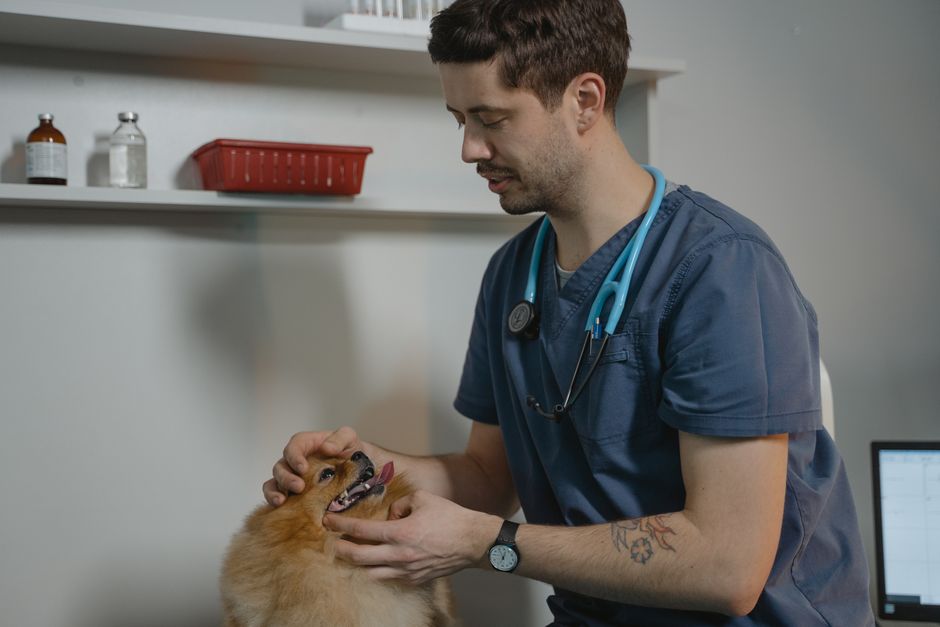
Dogs undergoing cancer treatment require specialized monitoring, as side effects can develop or change unexpectedly. Our veterinary professionals encourage open communication and regular check-ins to address concerns before they become more serious. If you are ever unsure whether a specific activity is safe or if your dog is experiencing discomfort, it is always best to contact us for guidance.
For pet owners seeking a specialty vet near me, Veterinary Cancer Health serves as a trusted resource for advanced cancer care, second opinions, and ongoing support. We collaborate closely with primary care veterinarians in Coral Springs and the surrounding communities to ensure every patient receives comprehensive, individualized attention.
Supporting Your Dog’s Quality of Life This Winter: Compassionate Oncology Care in Coral Springs
Winter in Coral Springs offers a gentle climate that can be especially beneficial for dogs navigating cancer treatment. By recognizing your pet’s changing needs, adapting activities to their comfort level, and providing thoughtful home care, you can help ensure your dog enjoys the season while receiving expert oncology support. At Veterinary Cancer Health, our team of veterinary oncology professionals is dedicated to partnering with you every step of the way, from diagnosis and treatment to ongoing cancer care and monitoring and compassionate guidance for saying goodbye.
If you have questions about your dog’s cancer diagnosis, are considering new activities, or need advice about side effect management, we invite you to connect with our team. You can reach Veterinary Cancer Health at (119) 545-9285 or visit us at 4101 Turtle Creek Drive, Coral Springs, FL 33067. We are here to provide the advanced care, support, and understanding that you and your pet deserve. For those searching for a specialty vet near me, know that compassionate, expert cancer care for dogs and cats is available right here in Coral Springs.
This blog is intended for informational purposes only and should not be considered a substitute for professional veterinary advice. Always consult with your veterinary oncology team regarding your dog’s specific needs and care plan.