How Chemotherapy Supports Dogs and Cats With Cancer


How Chemotherapy Supports Dogs and Cats With Cancer
When your beloved dog or cat is diagnosed with cancer, it is natural to feel overwhelmed and unsure about what comes next. At Veterinary Cancer Health, located at 4101 Turtle Creek Drive, Coral Springs, FL 33067, our compassionate veterinary oncology team is dedicated to guiding you through every step of your pet’s cancer journey. One of the most common and effective treatments we offer is chemotherapy, customized to each dog or cat's unique diagnosis and needs. In this blog, we will explain how chemotherapy supports pets with cancer, what you can expect before, during, and after treatment, and how our advanced cancer care in Coral Springs and surrounding communities improves both quality and quantity of life for your companion. We will also address common concerns, discuss how our chemotherapy and medical treatments are tailored for comfort, and help you know when to seek professional support for your pet.
Recognizing Cancer in Dogs and Cats: When to Consider Chemotherapy
Discovering that your dog or cat may have cancer is one of the most difficult moments for any pet owner. Early detection is key, but cancer can sometimes be subtle in its early stages. Warning signs to watch for include unexplained lumps or bumps, persistent sores that do not heal, sudden weight loss, reduced appetite, difficulty eating or swallowing, and noticeable changes in behavior or activity level. Additional symptoms can include ongoing lameness, difficulty breathing, or unusual bleeding. Sometimes, dogs or cats appear tired or withdrawn, while others may develop a persistent cough or digestive changes like vomiting or diarrhea. If you notice any of these signs, it is important to seek a comprehensive evaluation promptly. At Veterinary Cancer Health, our board-certified veterinary medical oncologist uses advanced cancer diagnosis and staging to determine the exact nature and extent of your pet’s condition, ensuring that the right treatment path is chosen from the very beginning.
Understanding Cancer and Why Chemotherapy Is Used
Cancer in dogs and cats, much like in people, is a result of abnormal cell growth that can form tumors or spread to other parts of the body. While some cancers develop due to genetic predispositions, environmental factors, or chronic inflammation, the cause is not always clear. The goal of cancer treatment is to target these abnormal cells while preserving your pet’s comfort and wellbeing. Chemotherapy is often recommended for cancers that cannot be completely removed surgically, have spread beyond their original site, or are known to respond well to medical therapy. Conditions like lymphoma, certain carcinomas, mast cell tumors, and some sarcomas are examples where chemotherapy can be a valuable part of a treatment plan. Our veterinary oncology team in Coral Springs uses a wide array of diagnostic tools such as ultrasound, digital radiographs, CT scan, and biopsy to fully understand your pet’s cancer before recommending chemotherapy as part of a tailored, evidence-based approach.
How Chemotherapy Works for Pets: What to Expect
Creating a Personalized Chemotherapy Plan
Each dog or cat’s cancer is unique, which is why we never take a one-size-fits-all approach. Our board-certified veterinary medical oncologist develops personalized cancer treatment plans based on your pet’s diagnosis, overall health, and your family’s goals. Chemotherapy for pets can be delivered in several ways, including oral medications, injections, or infusions. The choice of drugs and schedule is carefully selected to maximize effectiveness while minimizing side effects.
The Chemotherapy Experience
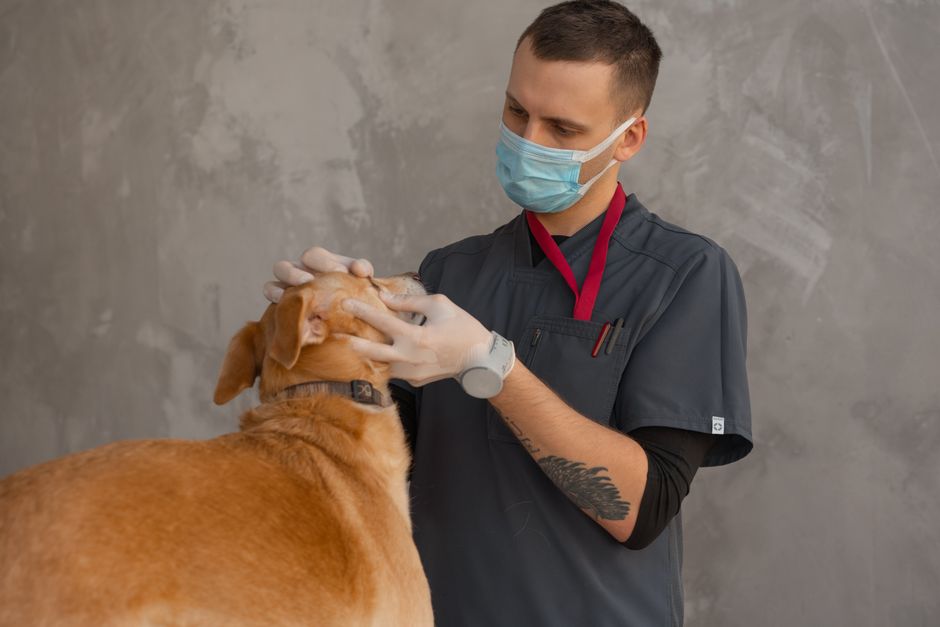
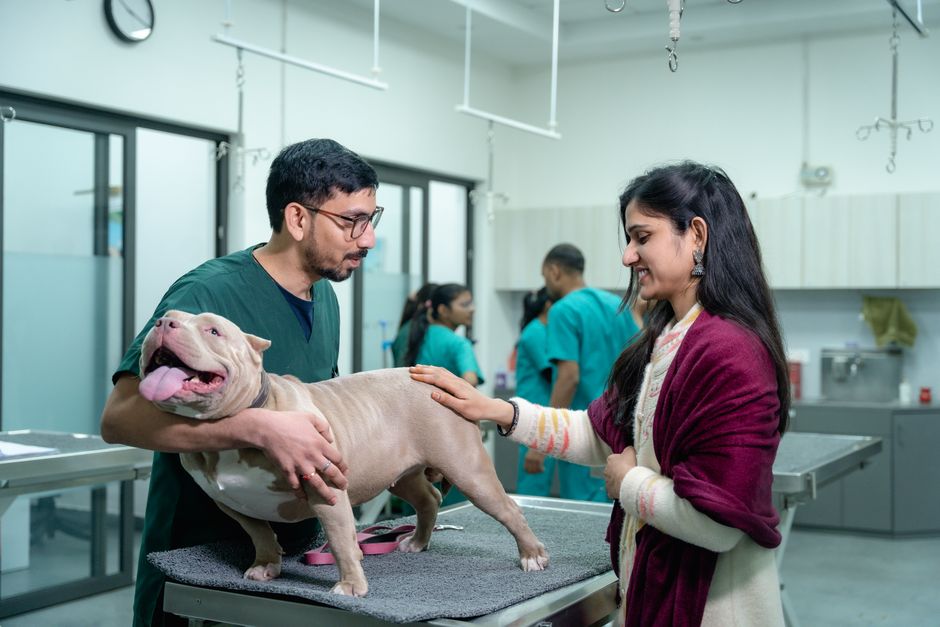
During a chemotherapy appointment, your pet will first be evaluated to ensure they are healthy enough for treatment that day. Our veterinary professionals take every step to keep your dog or cat comfortable, and most pets tolerate chemotherapy much better than people expect. Treatments are typically administered at our Coral Springs location, with close monitoring before, during, and after each session.
Commonly, pets do not lose their fur as people might during chemotherapy, and severe side effects are rare. Mild side effects can include temporary fatigue, reduced appetite, or mild digestive upset such as vomiting or diarrhea. Our oncology team provides comprehensive guidance on what to watch for at home and how to manage any minor reactions.
Ongoing Monitoring and Adjustments
Regular recheck examinations and bloodwork are essential to monitor your pet’s response to chemotherapy and ensure their safety. We use advanced ongoing cancer care and monitoring tools to track progress and make any necessary treatment plan adjustments if side effects occur or if your pet’s cancer shows signs of change. This close partnership ensures your pet receives the most effective and compassionate care possible throughout their journey.
Supporting Your Pet at Home During Chemotherapy
Your role at home is vital in supporting your dog or cat during chemotherapy. Providing a quiet, comfortable space allows your pet to rest after treatment. Encouraging gentle activity and offering favorite foods can help maintain appetite and spirit. Monitoring for changes in energy, eating habits, or bathroom routines is important, as these can signal how your pet is handling the medication. Our veterinary oncology team is always available to answer questions and provide advice for at-home care, including managing mild side effects or knowing when a follow-up visit is needed. We encourage you to keep a journal of any changes you observe, which helps us make the most informed decisions about your pet’s ongoing care.
When to Seek Veterinary Oncology Care
If your dog or cat has been diagnosed with cancer, or you notice symptoms such as new lumps, persistent fatigue, or unexplained weight loss, it is time to reach out for professional support. Chemotherapy is not the right choice for every cancer, but for many pets, it offers a real opportunity for longer, more comfortable lives. Our veterinary oncology clinic in Coral Springs serves patients from across the region, working in close collaboration with your primary care veterinarian to ensure continuity of care.
If your pet is already undergoing chemotherapy and you notice signs such as repeated vomiting or diarrhea, refusal of food or water for more than a day, profound lethargy, or any sudden changes in breathing or behavior, contact our veterinary team promptly. These signs may indicate a need to adjust the treatment plan or provide additional supportive care.
Compassionate Cancer Care for Dogs and Cats in Coral Springs
Facing a cancer diagnosis in your dog or cat can feel daunting, but you do not have to navigate this journey alone. At Veterinary Cancer Health, our board-certified oncology team is dedicated to delivering advanced, compassionate cancer care tailored to your pet’s needs. From diagnosis and chemotherapy services for dogs and cats to supportive pain management and ongoing monitoring, we are here every step of the way. If you are searching for a specialty vet near me who provides expert cancer treatment for pets, our Coral Springs clinic is ready to help.
To schedule a consultation or learn more about how chemotherapy can support your dog or cat with cancer, contact our team of veterinary professionals at (954) 645-8152 or visit us at 4101 Turtle Creek Drive, Coral Springs, FL 33067. Your pet’s comfort, dignity, and quality of life are always our highest priorities. Let us walk this path with you, providing the advanced care, clear communication, and heartfelt support that both you and your companion deserve.
This blog is intended for informational purposes only and should not replace professional veterinary advice. Always consult with a veterinary oncologist for specific recommendations concerning your pet’s cancer diagnosis and treatment.